
Key Takeaways
- Medical negligence can result in tragic, preventable deaths and calls for systemic reforms.
- Pursuing a wrongful death claim offers both legal redress and a path to improved healthcare standards.
- Successful claims can lead to compensation and policy changes that prioritize patient safety.
Table of Contents
- What is Medical Negligence?
- How Wrongful Death Occurs in Healthcare
- The Legal Process for Wrongful Death Claims
- Compensation and Impact on Families
- Preventing Future Medical Negligence
- Conclusion
The loss of a loved one is always devastating. Still, when death occurs as a result of medical negligence, families are often left grappling with shock, anger, and questions about accountability. Wrongful death caused by medical negligence has lifelong effects on those left behind, highlighting the crucial need for safety and accountability in healthcare. For families seeking answers and justice, understanding the complexities of these cases is the first step toward healing. If you believe medical errors contributed to a loved one’s passing, a medical malpractice case evaluation can help you understand your options and the potential for holding those responsible accountable. Medical errors constitute a leading cause of wrongful death in the United States. Such cases point to system failures, inadequate staffing, communication errors, or lapses in standard care. Pursuing legal action in these circumstances not only helps families achieve closure but also plays an important role in making healthcare safer for future patients by spotlighting practices that must change.
What is Medical Negligence?
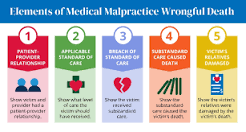
Medical negligence occurs when a healthcare provider fails to deliver the standard of care that another similarly qualified professional would have provided under similar circumstances. This failure may take many forms, such as misdiagnosis, surgical errors, medication mistakes, or neglecting to act on serious symptoms. When such negligence leads to the untimely death of a patient, it becomes the basis for a wrongful death claim. Medical errors are one of the leading causes of death in the country, highlighting the scale of the issue. It’s important to distinguish genuine accidents from negligence. Not every poor healthcare outcome is the result of negligence, and proving this legal standard requires expert testimony and careful examination of the facts.
How Wrongful Death Occurs in Healthcare
Wrongful death resulting from medical negligence can stem from several scenarios, including delayed diagnoses, anesthesia errors, failure to monitor patients, or mismanagement of chronic conditions. Hospitals and clinics are highly complex environments, and failures can occur at any point, from laboratory errors to faulty communication between medical teams. These errors may be isolated incidents or the result of systemic issues in training, staffing, or workflow. News reports and research articles frequently document cases in which medical errors have permanently impacted families and prompted calls for major institutional reforms. In some wrongful death cases, hospitals fail to adequately address repeated safety violations, highlighting a lack of oversight or accountability in the healthcare system. This underscores why legal claims play a vital role in preventing similar tragedies by encouraging transparency and reform.
The Legal Process for Wrongful Death Claims
When a family believes their loved one has died due to medical negligence, the legal process for a wrongful death claim typically begins with an investigation into the cause of death. Attorneys collaborate with medical experts to review records, interview staff, and analyze whether standards of care were violated. These cases are complex; strong evidence is essential to establish a direct link between the negligence and the patient’s death. If there is sufficient evidence, the case may proceed to negotiation or trial. Settlements are common, but some cases go to court, especially when institutions contest the allegations. The outcome may result in financial compensation, support for surviving family members, and mandates for procedural changes in healthcare practices.
Compensation and Impact on Families
Compensation in wrongful death lawsuits addresses both economic and non-economic losses. This includes loss of the deceased’s income, funeral expenses, and the emotional trauma experienced by loved ones. While no amount of money can replace what was lost, financial resources help families cope with immediate expenses and secure their long-term wellbeing following such a devastating event.
Moreover, successful wrongful death claims can catalyze change within healthcare institutions, prompting them to adopt more rigorous safety protocols, invest in staff training, or implement new technologies to reduce the risk of human error.
Preventing Future Medical Negligence
Legal accountability is a critical force for change in the healthcare sector. When hospitals or practitioners are held responsible for preventable deaths, it not only delivers justice for families but also motivates systemic improvements across the industry. By bringing negligence to light, these cases encourage hospitals to revise policies, enhance transparency, and foster a culture where patient safety is paramount.
Families who pursue justice in wrongful death cases play a role well beyond their personal loss. They help spark meaningful public dialogue and policy shifts that benefit all patients, making healthcare safer for everyone in the community.
Conclusion
Wrongful death caused by medical negligence leaves a lasting imprint on families and communities. These tragedies underscore the urgent need for high standards, accountability, and transparency in healthcare settings. By recognizing and confronting medical negligence, families not only seek redress for their own loss but also help ensure that similar errors do not harm others. For individuals seeking guidance, consulting experienced legal professionals is a vital first step in understanding available options and pursuing justice.
