
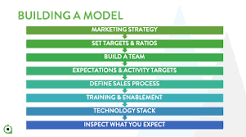
For many entrepreneurs, generating revenue is not the biggest challenge. The real challenge is generating revenue consistently. A business that experiences unpredictable income often struggles with budgeting, hiring, investment planning, and long term growth. While occasional spikes in sales may seem encouraging, sustainable success depends on creating predictable revenue streams that provide stability and confidence.
Predictable revenue is the ability to forecast future income with a reasonable degree of accuracy. It allows entrepreneurs to make informed decisions, allocate resources effectively, and reduce financial uncertainty. Businesses with predictable revenue are better positioned to weather economic fluctuations, invest in growth opportunities, and build long term value.
Creating predictable revenue does not happen by chance. It requires strategic planning, strong customer relationships, effective sales systems, and sound financial management. Professional support such as an accounting service can also play an important role by providing accurate financial insights and helping business owners understand revenue patterns.
Entrepreneurs who focus on building predictable revenue create stronger and more resilient businesses that are prepared for long term success.
Understanding Predictable Revenue
Predictable revenue refers to income that can be anticipated with a high level of confidence based on historical performance, customer behavior, and recurring business activities.
Unlike irregular sales that fluctuate dramatically from month to month, predictable revenue creates consistency.
This consistency allows business owners to forecast cash flow, manage expenses, and plan future investments.
Predictable revenue does not mean that income never changes. Instead, it means that changes are manageable and based on identifiable trends rather than unexpected events.
Businesses that achieve predictable revenue enjoy greater stability and reduced financial stress.
Why Predictable Revenue Matters
Predictable revenue provides a foundation for sustainable business growth.
When entrepreneurs know how much revenue is likely to be generated, they can make better decisions regarding hiring, marketing, inventory, and expansion.
Predictability also improves financial confidence. Business owners are less likely to make reactive decisions when they understand their expected income.
Investors and lenders often view predictable revenue as a sign of a healthy and well managed business.
Consistent income supports long term planning and reduces the uncertainty that often accompanies entrepreneurship.
Building a Strong Value Proposition
The foundation of predictable revenue begins with a strong value proposition.
Customers must clearly understand why they should choose a business over competitors.
A compelling value proposition addresses customer needs and demonstrates unique benefits.
Businesses that consistently deliver meaningful value are more likely to attract repeat customers.
When customers recognize the value provided, they are more willing to maintain long term relationships.
Strong value propositions contribute directly to revenue stability.
Focusing on Customer Retention
Many businesses focus heavily on acquiring new customers while neglecting existing ones.
Customer retention is one of the most effective ways to create predictable revenue.
Retaining customers is often less expensive than acquiring new ones.
Loyal customers generate repeat purchases and provide a steady source of income.
They are also more likely to recommend the business to others, creating additional growth opportunities.
Entrepreneurs who prioritize retention build stronger revenue foundations over time.
Developing Recurring Revenue Models
Recurring revenue models are among the most reliable ways to achieve predictability.
Subscription services, membership programs, maintenance contracts, and retainer agreements provide ongoing income.
These models reduce dependence on one time sales.
Recurring revenue allows businesses to forecast future earnings more accurately.
Customers also benefit from ongoing value and convenience.
Businesses that successfully implement recurring revenue models often experience greater financial stability.
Creating Consistent Sales Processes
Predictable revenue requires predictable sales activities.
A structured sales process helps ensure that leads are consistently generated, nurtured, and converted into customers.
Entrepreneurs should develop clear sales stages and performance metrics.
Consistency in sales efforts reduces fluctuations in revenue generation.
Regular monitoring helps identify areas for improvement.
Businesses with disciplined sales systems are better equipped to maintain steady growth.
Understanding Customer Lifetime Value
Customer lifetime value measures the total revenue a customer generates throughout their relationship with a business.
Understanding this metric helps entrepreneurs make better decisions regarding marketing and customer service investments.
Increasing customer lifetime value contributes significantly to predictable revenue.
Businesses can achieve this through excellent service, additional offerings, and long term relationship building.
A focus on lifetime value shifts attention from short term transactions to sustainable growth.
Leveraging Data and Analytics
Data plays a crucial role in revenue predictability.
Businesses should track sales trends, customer behavior, and financial performance.
Analytics help identify patterns that support more accurate forecasting.
Data driven decision making reduces uncertainty and improves strategic planning.
Entrepreneurs who understand their numbers are better prepared to anticipate challenges and opportunities.
Professional accounting service providers often help businesses organize and interpret financial data effectively.
Strengthening Financial Management
Strong financial management is essential for building predictable revenue.
Accurate bookkeeping, budgeting, and cash flow monitoring provide visibility into business performance.
Without reliable financial information, forecasting becomes difficult.
An experienced accounting service can help entrepreneurs maintain accurate records and identify revenue trends.
Financial clarity enables better planning and more informed decision making.
Businesses that prioritize financial management are more likely to achieve long term stability.
Diversifying Revenue Streams
Relying on a single source of income can create vulnerability.
Diversification helps reduce risk and improve revenue predictability.
Businesses can diversify by offering complementary products, entering new markets, or serving different customer segments.
Diversification creates multiple sources of income that can balance fluctuations in demand.
However, diversification should remain aligned with the business’s core strengths and capabilities.
Strategic diversification supports resilience and sustainable growth.
Improving Customer Experience
Customer experience directly influences revenue consistency.
Satisfied customers are more likely to return, make additional purchases, and recommend the business to others.
Businesses should focus on creating positive interactions at every stage of the customer journey.
Clear communication, reliable service, and responsive support strengthen customer loyalty.
Strong customer experiences contribute to predictable revenue by increasing retention and repeat business.
Building a Reliable Marketing System
Marketing should generate a steady flow of qualified leads.
Predictable revenue depends on maintaining consistent demand for products and services.
Entrepreneurs should invest in marketing strategies that produce measurable results.
Content marketing, search engine optimization, email marketing, and referral programs can all contribute to long term lead generation.
A reliable marketing system supports a stable sales pipeline and reduces revenue volatility.
Forecasting Revenue Effectively
Revenue forecasting is a critical component of predictability.
Forecasting involves estimating future income based on historical performance and current trends.
Accurate forecasts help businesses plan resources and manage expectations.
Entrepreneurs should review forecasts regularly and adjust assumptions as needed.
Reliable forecasting improves confidence and supports strategic decision making.
Financial reports generated through an accounting service often provide valuable information for forecasting efforts.
Managing Cash Flow Carefully
Revenue and cash flow are related but distinct concepts.
A business may generate strong revenue while still experiencing cash flow challenges.
Managing cash flow ensures that funds are available when needed.
Entrepreneurs should monitor payment cycles, expenses, and reserves carefully.
Healthy cash flow supports operational stability and reduces financial stress.
Effective cash flow management contributes to overall revenue predictability.
Building Long Term Customer Relationships
Strong customer relationships are essential for sustainable revenue.
Customers who trust a business are more likely to continue purchasing over time.
Relationship building requires consistent communication, reliability, and genuine value creation.
Entrepreneurs should focus on understanding customer needs and exceeding expectations.
Long term relationships create recurring opportunities and reduce revenue uncertainty.
Trust is one of the most valuable assets a business can develop.
Creating Scalable Systems
Predictable revenue becomes more achievable when businesses operate with scalable systems.
Scalable systems allow businesses to handle growth without sacrificing quality or efficiency.
Clear processes, automation, and documented procedures improve consistency.
Scalability supports sustainable expansion and reduces operational disruptions.
Businesses with scalable systems are better positioned to maintain predictable revenue as they grow.
The Role of Leadership in Revenue Stability
Leadership has a significant impact on revenue predictability.
Strong leaders establish clear goals, monitor performance, and encourage accountability.
They ensure that sales, marketing, customer service, and financial management work together effectively.
Leadership also promotes a culture of continuous improvement.
Businesses with effective leadership are more likely to identify challenges early and respond proactively.
Strong leadership contributes directly to long term financial stability.
Conclusion
Building predictable revenue is one of the most important objectives for entrepreneurs seeking sustainable business success. Consistent revenue provides the stability needed for growth, investment, and strategic planning.
Achieving predictable revenue requires a combination of customer retention, recurring revenue models, effective sales systems, strong financial management, and continuous improvement. Entrepreneurs must focus on delivering consistent value while building reliable processes that support long term performance.
Professional support from an accounting service can provide valuable financial insights, improve forecasting accuracy, and help business owners make informed decisions. By understanding revenue patterns and maintaining financial discipline, entrepreneurs can reduce uncertainty and create a stronger foundation for growth.
Ultimately, predictable revenue is not the result of luck. It is the outcome of deliberate planning, disciplined execution, and a commitment to building lasting customer relationships. Businesses that prioritize predictability are better prepared to navigate challenges and achieve long term success.
FAQs
What is predictable revenue?
Predictable revenue is income that can be forecast with reasonable accuracy based on historical data, customer behavior, and recurring business activities.
Why is predictable revenue important for entrepreneurs?
It provides financial stability, supports planning, reduces uncertainty, and enables sustainable business growth.
How can recurring revenue improve predictability?
Recurring revenue models create consistent income streams that make forecasting easier and reduce dependence on one time sales.
What role does customer retention play in predictable revenue?
Retained customers generate repeat business, which contributes to stable and reliable income.
How does an accounting service help build predictable revenue?
An accounting service helps maintain accurate financial records, identify revenue trends, improve forecasting, and support informed decision making.
Why is financial management important for revenue stability?
Strong financial management provides visibility into business performance and helps entrepreneurs manage resources effectively.
Can small businesses achieve predictable revenue?
Yes. Small businesses can build predictable revenue through customer retention, recurring services, consistent marketing, and effective financial planning.
How often should revenue forecasts be updated?
Revenue forecasts should be reviewed regularly, typically monthly or quarterly, to reflect current performance and market conditions.
