
We spend roughly a third of our lives in bed, yet most people put far more thought into choosing a mattress than they do into the fabrics that actually touch their skin. If you regularly wake up sweating, toss and turn for hours, or notice deep sleep creases on your face in the morning, the physical environment of your bed might be the root cause.
While common sleep advice focuses heavily on limiting screen time and cutting out afternoon coffee, the physical materials you sleep in play a massive role in both how well you rest and how your body recovers overnight. Understanding the link between fabric, thermoregulation, and friction is the first step in building a better sleep routine.
How Temperature Affects Your Sleep Quality
Human sleep architecture is closely tied to core body temperature. As you get tired and prepare for sleep, your internal temperature naturally begins to drop. This cooling process is a strict biological requirement for your brain to transition from light sleep into the deep, restorative stages of rest.
When you sleep under materials that trap heat—such as polyester, heavy fleece, or low-quality microfiber—your body struggles to shed that excess warmth. The microclimate under your blankets heats up, and your body responds by sweating to cool itself down. If the fabric cannot breathe, that sweat gets trapped against your skin. You end up kicking off the covers, waking up chilled a few minutes later, and pulling them back on. This constant temperature ping-pong fractures your sleep cycle, preventing you from getting the uninterrupted rest you need.
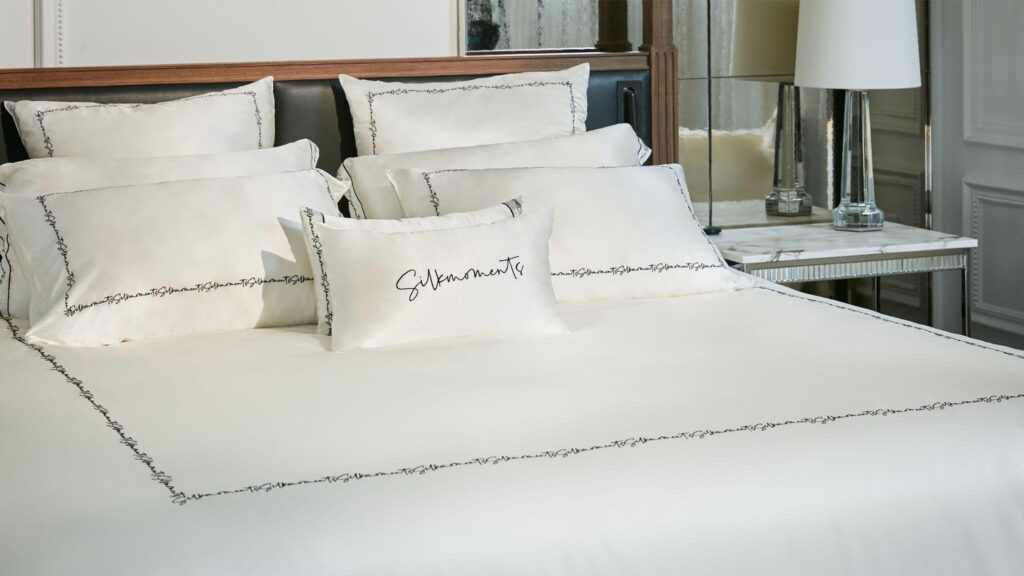
Natural protein fibers operate differently. Investing in breathable silk bed sheets drastically changes how heat and moisture move through your bed. Unlike synthetic fabrics that tend to trap heat, natural silk fibers allow air to circulate freely. More importantly, they actively wick moisture away from your skin, pulling it through the fabric and releasing it into the ambient air. This helps keep your skin drier and your core temperature more stable, which may reduce nighttime disruptions and support more consistent sleep.
How Pillowcase Friction Affects Your Skin
Beyond temperature control, there is a purely mechanical side to sleep. Over an eight-hour period, you shift positions, roll over, and move your head. Every time you move, your face and hair rub against your pillowcase.
Traditional cotton is highly absorbent and possesses a relatively rough microscopic surface. When you sleep on it, it physically grips the skin. This drag creates friction, leading to sleep creases—those temporary lines you see on your face in the mirror—which some dermatologists suggest may contribute to the formation of fine lines over time of repetitive pressure.
Additionally, cotton acts exactly like a sponge. It can absorb some of your skin’s natural moisture and part of your nighttime skincare products, leaving your skin dehydrated by morning. Silk, by contrast, is practically frictionless and significantly less absorbent. It allows the delicate skin of your face to glide smoothly over the surface without snagging, and it helps your skincare products stay on your skin more effectively: on your face.
How Your Bedding Impacts Hair Health Overnight
That same friction that irritates your skin also wreaks havoc on your hair. The outer layer of a hair shaft, known as the cuticle, looks a bit like overlapping shingles on a roof. When your head moves aggressively against a coarse pillowcase, those shingles get roughed up and pulled back.
This type of friction can contribute to morning frizz and tangles, difficult tangles, and eventually, split ends. A smooth sleeping surface minimizes this friction entirely. Hair simply slides across the fabric, meaning you wake up with smoother hair that requires significantly less styling and heat treatment the next day.
Improving Sleep by Blocking Light Comfortably
Achieving a full, uninterrupted night of rest also depends heavily on light exposure. The brain requires absolute darkness to produce melatonin, the hormone that dictates your sleep-wake cycle. While blackout curtains are effective, they are useless if you are traveling, taking a daytime nap, or sharing a bed with a partner who reads late into the night.
Many people turn to eye covers to solve this, but the material you place over your eyes matters just as much as your sheets. A heavy, synthetic mask will trap heat on your forehead, causing you to sweat around the eyes, which can lead to clogged pores and discomfort. Using a breathable silk sleep eye mask can provide effective light blocking while remaining gentle on the skin the incredibly thin, sensitive skin around your eyes. It remains cool to the touch throughout the night, blocking out erratic ambient light so you can stay in deep sleep without feeling suffocated.
Comparing Common Bedding Materials
To understand why fabric choice matters, it helps to look at how different common materials actually perform when subjected to body heat and moisture.
| Material Type | Breathability | Moisture Management | Surface Friction | Ideal Use Case |
| Silk | Very High | Wicks moisture away quickly | Extremely Low | Skin/hair health, advanced temperature regulation |
| Cotton | Moderate | Absorbs and holds moisture | High | Standard, budget-friendly setups |
| Polyester | Low (Traps heat) | Non-absorbent (Causes sweating) | Moderate | Cold environments, high-durability needs |
| Linen | High | Absorbs moisture well | Very High | Hot, humid climates where friction is not a concern |
Simple Ways to Improve Your Sleep Environment
If you want to start waking up feeling more rested and looking fresher, you do not need to throw out your entire bedroom setup at once. Start with the elements that directly impact your physical comfort.
- Swap the pillowcase first: If upgrading your entire bed feels like too much of a commitment, start by changing just the pillowcase. This delivers immediate skin and hair benefits where they matter most, with minimal investment.
- Audit your current layers: Check the tags on your blankets, sheets, and mattress protectors. Remove anything made of 100% polyester if you are a hot sleeper or suffer from night sweats.
- Control your room temperature: Keep your thermostat between 60°F and 67°F (15°C to 19°C). A cooler ambient room temperature paired with highly breathable bedding is the optimal combination for deep rest.
- Wash materials correctly: High-quality fabrics require specific care to maintain their benefits. Use gentle, pH-neutral detergents and avoid high heat in the dryer to keep the fibers intact and smooth over time.
Treating your sleep environment as an active part of your daily health routine changes how you approach rest. By prioritizing materials that breathe, regulate heat, and reduce physical friction, you aren’t just making your bed more comfortable. You are helping reduce physical factors that may interfere with your sleep cycles, allowing your body to efficiently do the repair work it was designed to do overnight.
