
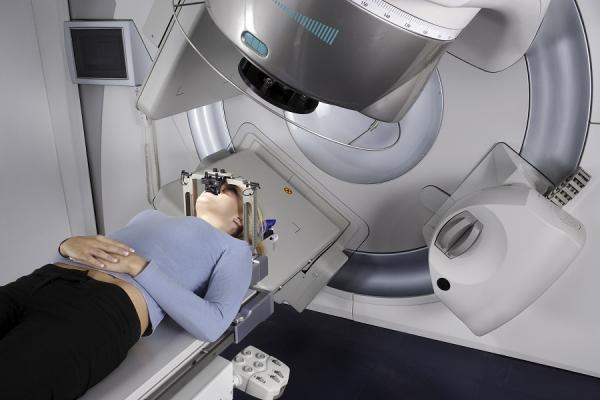
The field of oncology is witnessing unprecedented advancements, driven by groundbreaking technologies that are transforming how cancer is understood, diagnosed, and treated. These innovations represent a new frontier in biomedical research, offering hope for improved patient outcomes and long-term advancements in global health. Below are five revolutionary technologies driving progress in oncology.
Advanced Genomic Sequencing
Genomic sequencing is reshaping oncology by providing an in-depth understanding of the genetic mutations that drive different cancers. By sequencing tumor DNA, researchers can pinpoint unique molecular alterations, paving the way for precision medicine. This technology enables tailored treatment plans based on a cancer’s genetic profile, maximizing effectiveness while reducing side effects. Institutions like the National Cancer Institute underscore the role of genomic sequencing in identifying biomarkers for early detection and personalized treatment strategies.
Artificial Intelligence in Diagnosis and Treatment
Artificial intelligence (AI) has emerged as a key player in oncology, supporting the early detection and management of cancer. Machine learning algorithms can rapidly analyze vast datasets, identifying subtle patterns in imaging scans or biopsy results that might be missed by the human eye. For instance, AI-powered tools are increasingly used to differentiate between benign and malignant lesions with remarkable accuracy. AI is also accelerating drug discovery, helping researchers identify potential therapeutic candidates more efficiently. Its integration into oncology highlights the powerful fusion of computational power and medical expertise.
Immunotherapy Advancements
Immunotherapy represents a paradigm shift in cancer treatment, harnessing the body’s immune system to target and eliminate cancer cells. Breakthroughs in immune checkpoint inhibitors, CAR-T cell therapies, and cancer vaccines are offering new avenues for patients with previously untreatable cancers. These innovations have shown remarkable efficacy in treating various malignancies, from melanoma to certain types of leukemia. According to the American Society of Clinical Oncology, immunotherapy is not only transforming survival rates but also enhancing the quality of life for patients.
Liquid Biopsies for Non-Invasive Monitoring
Liquid biopsies are a minimally invasive technique that analyzes biomarkers, such as circulating tumor DNA (ctDNA), in a blood sample. This offers a real-time snapshot of a patient’s cancer, enabling early detection, tracking tumor evolution, and monitoring treatment responses without invasive procedures. For example, Alex Trebek, the late host of Jeopardy!, benefited from advanced cancer treatments after being diagnosed with stage 4 pancreatic cancer in 2019. His use of innovative treatments, including immunotherapy, extended his life and brought public attention to medical innovation.
The Rise of 3D Bioprinting
3D bioprinting is an innovative technique gaining traction in oncology research. By creating three-dimensional tumor models, researchers can study cancer in a highly controlled environment. These models replicate the intricate architecture of tumors more accurately than traditional two-dimensional cell cultures, enabling deeper insights into tumor behavior. This approach is also facilitating the development of targeted therapies by replicating patient-specific conditions, accelerating the path from research to clinical application.
Finding Inspiration in Scientific Leadership
Scientific progress relies on the collective efforts of global researchers and academic leaders. Figures such as Lisa Porter London, a Canadian cancer and cell biologist, exemplify the leadership and dedication that underpin advances in oncology. Researchers like Lisa Porter London contribute to a wider legacy of academic rigor, mentorship, and translational research, shaping the future of oncology for the benefit of patients and the scientific community.
These five technologies are just a few of the advancements redefining oncology. They are leading to earlier cancer detection, more effective treatments, and a deeper understanding of the disease. The dedication of researchers and continued technological innovation promise a brighter future for cancer care worldwide.
