
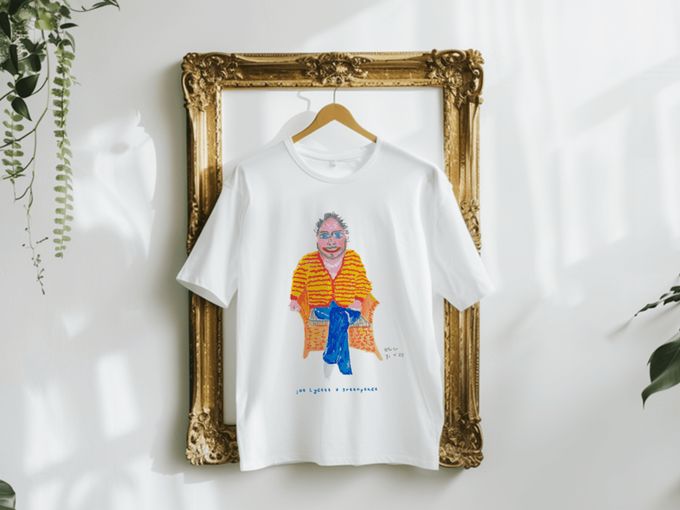
Have you ever had a brilliant idea for a t-shirt? Whether it’s for a family reunion, a local business, a sports team, or your own clothing brand, a custom shirt transforms a simple garment into a statement. But before your design can come to life, you need the perfect canvas: the right shirt. Welcome to the world of printable shirts, the foundation of all great custom apparel.
This guide will walk you through everything you need to know. We’ll explore what makes a shirt “printable,” break down the most popular printing methods, and help you choose the perfect combination of fabric and technique for your project. By the end, you’ll be able to turn your creative vision into a high-quality, wearable piece of art. 🎨
What Makes a Shirt “Printable”?
Not all shirts are created equal, especially when it comes to printing. A shirt’s “printability” depends on several key factors that affect how well it accepts and holds ink.
Fabric Composition
The material of the shirt is the most important factor. The ideal fabric depends entirely on the printing method you choose.
- 100% Cotton: This is the undisputed king for many printing methods, especially screen printing and Direct-to-Garment (DTG). Its natural fibers absorb ink beautifully, resulting in vibrant, rich colors. Ringspun cotton is even better, as it has a smoother, tighter weave, creating a perfect surface for detailed prints.
- 100% Polyester: This synthetic fabric is the only choice for sublimation printing. It’s also great for athletic wear due to its moisture-wicking properties.
- Cotton/Polyester Blends (e.g., 50/50 or CVC): Blends offer the best of both worlds—the softness of cotton and the durability and wrinkle-resistance of polyester. They are versatile and work well with screen printing and heat transfers.
Shirt Color
The color of your shirt matters. Printing on a white or light-colored shirt is generally easier and more cost-effective, as the colors appear true to the design. Printing on dark garments often requires a white “underbase”—a layer of white ink printed first—to ensure the final colors pop. This can add to the cost and complexity.
Weave and Construction
A smoother, tighter knit (like in ringspun cotton shirts) provides a better surface for printing than a rougher, standard cotton shirt. The construction also matters; seamless shirts or those with flat seams can be easier to print on, especially for large or wrap-around designs.
Popular Printing Methods for Your Shirts
Once you understand the canvas, it’s time to choose your paint. There are several popular methods for decorating printable shirts, each with its own unique strengths.
1. Screen Printing
This is the classic, time-tested method. It involves pushing ink through a stenciled mesh screen directly onto the fabric. Each color in a design requires its own separate screen.
The Process
- A stencil (screen) is created for each color of the design.
- Ink is pushed through the stencil onto the shirt with a squeegee.
- The shirt is then passed through a large dryer to cure the ink, making it permanent.
Best For:
- Bulk orders (typically 24+ pieces).
- Designs with 1-4 solid colors.
- Bold graphics, logos, and text.
- Merchandise for bands, businesses, and events.
2. Direct-to-Garment (DTG)
Think of DTG as an inkjet printer for clothes. A specialized printer applies water-based inks directly into the fibers of the shirt.
The Process
- The shirt is pre-treated and then loaded into the DTG printer.
- The printer sprays the ink directly onto the fabric, recreating the digital design.
- The shirt is heat-pressed to cure the ink.
Best For:
- Small orders or one-off prints.
- Highly detailed, photorealistic, or multi-colored designs.
- Soft-feel prints, as the ink soaks into the fabric.
3. Heat Transfer Vinyl (HTV)
This method involves cutting designs out of sheets of colored vinyl. The cut design is then placed on the shirt and applied using a heat press.
The Process
- The design is cut from a sheet of vinyl using a special cutter.
- The excess vinyl around the design is removed (“weeded”).
- The vinyl design is placed on the shirt and heat-pressed, activating the adhesive backing.
Best For:
- Simple shapes, text, names, and numbers (perfect for jerseys).
- Very small orders.
- Creating bold, crisp graphics on almost any fabric.
4. Sublimation Printing
Sublimation is a chemical process where a design is printed on special paper and then transferred to the shirt using a heat press. The ink turns from a solid to a gas, permanently dyeing the polyester fibers of the shirt.
The Process
- The design is printed onto special sublimation transfer paper.
- The paper is placed on the shirt, and both are put into a heat press.
- The high heat turns the ink into a gas, which infuses into the polyester fabric fibers.
Best For:
- 100% polyester garments (in light colors only).
- All-over prints, sportswear, and photo gifts.
- Extremely durable prints with zero texture or feel.
Comparison: Which Printing Method is Right for You?
Feeling overwhelmed by the options? This table breaks it down to help you decide.
| Feature | Screen Printing | Direct-to-Garment (DTG) | Heat Transfer Vinyl (HTV) | Sublimation |
| Best For | Bulk orders, simple designs, brand merchandise. | Small orders, full-color photos, high detail. | Names & numbers, simple logos, individual customization. | All-over prints, sportswear, on light polyester fabric. |
| Durability | Excellent. Will last the life of the shirt. | Good. Can fade slightly after many washes. | Good. May crack or peel over a long time. | Permanent. The print becomes part of the fabric. |
| Feel on Shirt | A slightly raised layer of ink. | Very soft. Ink is absorbed into the fibers. | A distinct, smooth layer on top of the fabric. | No feel at all. The fibers themselves are dyed. |
| Fabric Type | Best on cotton and cotton blends. | Best on 100% ringspun cotton. | Works on cotton, polyester, and blends. | Only works on 100% light-colored polyester. |
| Cost | Low per shirt for large orders, high setup cost. | Consistent price per shirt, ideal for single items. | Cost is based on material used, good for small orders. | Moderate cost, great for full-color designs. |
Export to Sheets
Step-by-Step: Getting Your Shirts Printed
Ready to start your project? Follow these simple steps.
- Step 1: Finalize Your Design Make sure your artwork is high-resolution (300 DPI is standard). Vector files (.AI, .EPS) are best for screen printing and HTV, while raster files (.PNG, .PSD) work well for DTG.
- Step 2: Choose Your Printing Method Use the table above to decide which method best suits your design complexity, order quantity, and desired feel.
- Step 3: Select Your Printable Shirts Choose the right blank shirt for your chosen method. A 100% cotton tee is a safe bet for screen printing and DTG, while a 100% polyester tee is a must for sublimation. Consider factors like brand, fit, and weight.
- Step 4: Find a Reputable Printer Look for a local or online print shop with good reviews. Don’t be afraid to ask for samples of their work. A good printer will guide you through the process and help you optimize your design.
- Step 5: Review the Proof Before the full run is printed, your printer will send you a digital mockup (a “proof”). Check it carefully for spelling errors, color accuracy, and placement. Once you approve it, production will begin!
Caring for Your Printed Masterpiece
You’ve invested in custom apparel; now make it last! Proper care can keep your print looking vibrant for years.
- Wash Inside Out: This protects the print from abrasion.
- Use Cold Water: Hot water can cause prints and fabrics to degrade.
- Tumble Dry on Low Heat: High heat is the enemy of most prints. For best results, hang it to dry.
- Don’t Iron the Design: If you must iron, turn the shirt inside out and use a low setting.
- Avoid Bleach: Stick to mild detergents.
Frequently Asked Questions (FAQs)
Q1: What’s the most cost-effective way to print a few shirts? A: For just one or a handful of shirts with a complex, multi-color design, DTG (Direct-to-Garment) is usually the most cost-effective. For simple text or a one-color logo, HTV (Heat Transfer Vinyl) is also a great option.
Q2: Can I print a full-color photograph on a black shirt? A: Yes! DTG printing is the best method for this. The printer will first lay down a layer of white ink (an underbase) to ensure the colors of your photograph appear bright and accurate on the dark fabric.
Q3: How long will my printed shirt last? A: This depends on the method. Sublimation is permanent and will never fade or crack. Screen printing is extremely durable and should last the lifetime of the shirt. DTG and HTV are also very durable but may show minor fading or cracking after many, many washes if not cared for properly.
Q4: What file format is best for my artwork? A: Vector files (.AI, .EPS, .SVG) are the gold standard because they can be resized without losing quality. However, a high-resolution raster file (.PNG with a transparent background, .PSD) at 300 DPI will also work well for most methods, especially DTG.
Q5: Can I supply my own shirts to a print shop? A: Some shops allow this, but many prefer to source their own garments. This is because they are familiar with how their printable shirts perform with their inks and equipment, ensuring a quality result. Always check with the printer first.
Conclusion: The Perfect Shirt Awaits
Creating custom apparel is an exciting and rewarding process. It all starts with understanding the relationship between the design, the printing method, and the shirt itself. By choosing the right printable shirts for your project, you’re not just making a piece of clothing—you’re creating a durable, high-quality product that people will love to wear.
Whether you choose the classic durability of screen printing, the detailed brilliance of DTG, the crisp boldness of HTV, or the permanent vibrancy of sublimation, your vision is achievable. Now that you’re armed with this knowledge, you’re ready to get started. Go create something amazing!
