
Key Takeaways
- Step Up 2 Dance offers multi-genre instruction and a full one-day convention experience.
- Students benefit from preparation, openness to feedback, and continued practice.
- Applying new skills after the event can help dancers make lasting progress.
For studios and families looking for a one day dance convention Massachusetts option, Step Up 2 Dance offers a focused format that brings multiple master classes, an improv challenge, and student recognition into a single day. It can be a practical choice for dancers who want convention-level instruction without committing to an entire weekend away from home.
Step Up 2 Dance lists 2026 Massachusetts convention dates in Andover on October 18 and Waltham on November 15. Because venues, schedules, fees, and enrollment can change, studio directors should confirm the current event details directly with the organization before making travel plans or collecting registrations.
Why Choose a One-Day Step Up 2 Dance Convention?
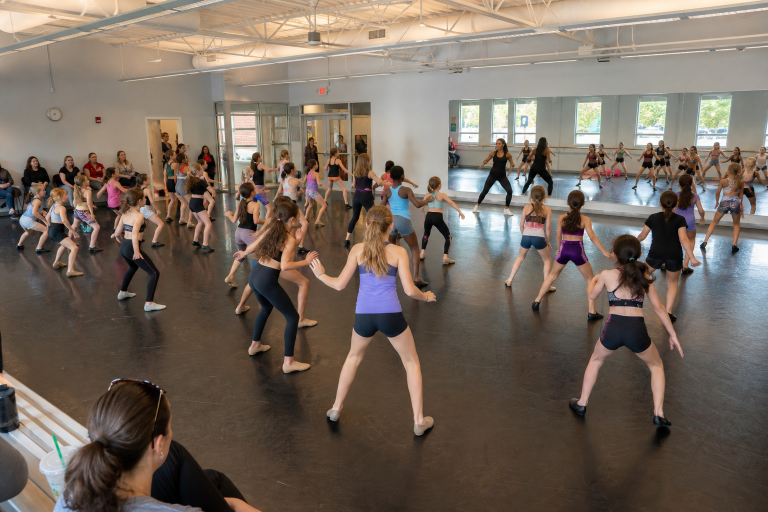
A one-day event can give dancers a concentrated change of pace from their normal weekly classes. Students meet new instructors, work in several styles, learn unfamiliar combinations, and practice adapting quickly. For studios, the shorter format may also simplify transportation, staffing, meals, and family scheduling.
Step Up 2 Dance promotes its convention master classes as an affordable one-day intensive for dancers of different ages and abilities. Its listed schedule generally includes a warm-up, several morning classes, a lunch break, additional afternoon classes, and an improv or dance challenge, followed by recognition activities.
How the Day Is Typically Structured
- Warm-up: Dancers begin by preparing their bodies and attention for the day’s instruction.
- Morning classes: The published schedule includes three classes beginning around 9:00 a.m.
- Midday break: A lunch break gives students time to eat, hydrate, and reset.
- Afternoon classes: Students return for two additional genre-based classes.
- Challenge and recognition: The day concludes with an improv or dance challenge, along with dance pins, medals, or other awards listed for the event.
This structure is compact, but it is still a full day of movement and concentration. Dancers should arrive prepared to listen closely, make corrections quickly, and manage their energy from the first warm-up through the final activity.
Which Dance Styles Can Students Explore?
Published Step Up 2 Dance convention information lists contemporary, hip-hop, jazz, tap, lyrical, improvisation, and leaps, jumps, and turns. The range gives dancers opportunities to work on different aspects of their training rather than concentrating on a single genre.
- Jazz and leaps, jumps, and turns: Helpful for dancers who want to sharpen dynamic movement, control, and presentation.
- Contemporary and lyrical: Invite dancers to combine technique with musical interpretation and expressive choices.
- Hip-hop: Challenges rhythm, stamina, coordination, and confidence in a different movement vocabulary.
- Tap: Gives students a chance to focus on timing, sound, and musical awareness.
- Improv: Encourages dancers to make movement choices without relying entirely on memorized choreography.
How One Day Can Support Technical Growth
One convention day cannot replace consistent studio training. It can, however, be a useful supplement. A dancer may hear a correction explained differently, discover a new way to approach a skill, or notice a style that deserves more attention in regular classes.
- New perspective: Guest faculty can expose students to fresh combinations and teaching approaches.
- Versatility: Moving between several styles requires dancers to adjust their musicality, texture, posture, and performance quality.
- Immediate application: Students can try to use corrections during the same class rather than only discussing them afterward.
- Goal setting: Studio teachers can use observations from the convention to help dancers choose future training goals.
Movement time alone does not define a worthwhile dance class. In research on physical activity in youth dance classes, investigators found that activity levels varied across class types and settings. A productive convention balances active movement with clear demonstrations, purposeful practice, feedback, and recovery time.
Confidence Matters Beyond Technique
Confidence is not simply a personality trait. It grows when dancers prepare, attempt unfamiliar material, receive useful feedback, and see that they can recover from mistakes. An improv challenge can be especially valuable for a student who feels secure in set jazz choreography but hesitates when asked to make independent choices.
Step Up 2 Dance also lists group recognition, such as dance pins and medals. Recognition can make the day feel memorable, but the lasting benefit comes from what students do next: bringing a stronger focus, greater openness, and specific goals back to their regular studio training.
What Studios and Families Should Confirm Before Registering
- The exact Massachusetts date, city, venue, start time, and pickup time.
- Age groups, class divisions, and dancer placement.
- Current entry fees, deadlines, payment process, and cancellation terms.
- Registration instructions. Step Up 2 Dance currently states that convention registration is handled by email with a roster of student names and ages.
- Required shoes, clothing, water, snacks, and any lunch arrangements.
- Policies covering waivers, medical needs, photography, video, and parent or guardian attendance.
How Dancers Can Prepare
Preparation should be simple and practical. Pack each required pair of dance shoes, comfortable clothing that allows full movement, water, snacks, extra socks, and any personal medical supplies. Review the event schedule in advance, arrive early enough to settle in, and avoid pushing through pain. A dancer can also choose one technical goal, such as cleaner turns, and one performance goal, such as making stronger eye contact or taking more creative risks in improv.
What Research Says About Dance-Based Learning
Dance programs can create opportunities for physical activity, coordination, participation, and social connection, although outcomes depend on the individual student and how a program is designed. A systematic review of the benefits of dance for children with physical and developmental disabilities reported promising results across several physical outcomes, while also noting the need for stronger research. Attending one convention should not be presented as a guarantee of a health, academic, or developmental result.
Frequently Asked Questions
Is Step Up 2 Dance a one-day convention?
Yes. Step Up 2 Dance describes its convention master classes as one-day intensives, with a schedule that includes multiple classes, a break, and an end-of-day challenge or recognition segment.
Can beginners attend?
Step Up 2 Dance presents its conventions for dancers of all ages and abilities. Families should still ask their studio director about the dancer’s readiness and confirm the dancer’s current age group before registering.
Is a one-day convention better than a multi-day event?
Neither format is automatically better. A one-day convention can suit studios seeking simpler logistics and more focused learning, while a multi-day event provides more total class time and a longer, more immersive experience.
Final Thoughts
Step Up 2 Dance offers a focused 2026 option for Massachusetts dancers seeking multi-genre instruction, creative challenges, and a full convention experience in one day. The best results come when students arrive prepared, stay open to corrections, and continue applying what they learn after they return to their home studio.
