

Table of Contents
- Smart Home Integration
- Energy Efficiency Upgrades
- Sustainable Materials
- Flexible Living Spaces
- Aging-in-Place Designs
- Enhanced Security Systems
- Water Conservation Strategies
- Conclusion
As our world evolves, so do our homes. Ensuring your living space remains adaptable, efficient, and sustainable is essential for comfort and long-term value. Whether you’re planning a new build or renovating, future-proofing ensures your residence aligns with modern demands and is ready for whatever comes next. For those looking to enhance their property or invest in the right location, Germantown real estate experts The JudyMac Team offer invaluable insight into making smart, future-focused choices.
Embracing innovative home features not only provides day-to-day convenience but also protects against rapid shifts in lifestyle expectations and technology. With energy costs rising and environmental awareness increasing, forward-thinking homeowners seek upgrades that deliver lasting value, security, and comfort at every stage of life.
Smart Home Integration
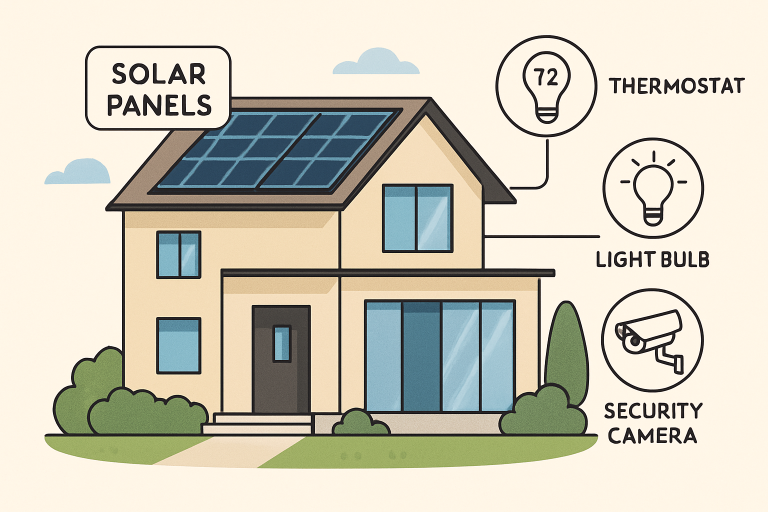
Modern homes thrive on seamless technology. Smart home systems allow residents to control lighting, temperature, safety, and entertainment using smartphones or voice commands. Devices like intelligent thermostats, automated blinds, and networked appliances adapt to your routines, delivering efficiency and comfort while cutting energy use. According to a New York Times article, continued advancements in smart home ecosystems ensure that today’s investments will remain valuable for years to come.
Homes that prioritize connected devices not only simplify daily living but also attract buyers who value innovation. Automation can also support security smart locks, surveillance cameras, and alarm systems, which provide both peace of mind and remote monitoring, a desirable feature for families and frequent travelers alike.
Energy Efficiency Upgrades
Upgrading your home’s energy profile is one of the best ways to future-proof its value. Replacing aging HVAC systems, appliances, and windows with energy-efficient models can decrease bills and reduce your ecological footprint. Energy Star-rated appliances and high-efficiency heat pumps offer short-term savings and long-term sustainability.
Solar panels have become especially popular, allowing homeowners to generate their own electricity and qualify for tax incentives. According to the U.S. Department of Energy, integrated renewable energy systems not only improve home resale value but also help shield residents from utility rate hikes and outages by promoting energy independence.
Sustainable Materials
Renovating or building with sustainable materials makes a dramatic impact on both your health and the planet. Opt for locally sourced, recycled, or rapidly renewable resources such as bamboo flooring, reclaimed wood, and recycled glass countertops. Low-VOC paints and non-toxic adhesives help improve indoor air quality, creating a safer space for families and pets.
Green building materials are now a hallmark of luxury and innovation in real estate. From eco-friendly insulation to advanced window glazing, every thoughtful material choice supports lower maintenance costs and lasting home appeal. Leading industry advice, including from Architectural Digest, underscores the importance of environmentally conscious design for modern homeowners.
Flexible Living Spaces
Today’s lifestyles demand adaptable, multifunctional spaces. Open-plan designs and rooms that serve multiple purposes, such as a home office doubling as a guest bedroom, allow you to shift seamlessly between work, relaxation, and entertaining. Flexible spaces are also ideal for growing families or evolving needs, such as remote work or hobbies.
Flexible spaces support greater accessibility and improve mental well-being by promoting natural light and fluid movement throughout the home. By planning with modular furniture and movable partitions, you future-proof your home to accommodate life’s transitions without costly renovations.
Aging-in-Place Designs
Future-proof homes consider both present and future accessibility. Features such as single-level living, barrier-free showers, grab bars, and wider doorways allow homeowners of all ages and abilities to navigate safely and comfortably. Nonslip flooring and lever handles on doors also reduce hazards and improve daily living for everyone in the household.
These thoughtful touches empower residents to stay in their homes longer, contributing to the growing movement of aging in place. Such enhancements not only boost quality of life but also broaden your home’s market appeal, as accessibility becomes ever more important to buyers of all ages.
Enhanced Security Systems
Innovations in home security have raised the standard for peace of mind in modern residences. Features like app-controlled cameras, smart video doorbells, and biometric locks enable real-time checks whether you’re in the next room or halfway across the globe. These systems deter would-be intruders and can quickly alert homeowners or emergency services if a problem arises.
Smart technology also enables easy integration with other automated features, providing a holistic approach to safety that adapts as new security tools emerge. Investing in enhanced security today readies your home for future technological advances and creates a safer environment for everyone.
Water Conservation Strategies
Protecting our planet includes careful stewardship of water resources. Installing low-flow toilets, fixtures, and showerheads, as well as high-efficiency irrigation systems, can save thousands of gallons of water per year. Rainwater harvesting tanks and drought-tolerant landscaping, sometimes called xeriscaping, reduce reliance on municipal water sources and lower water bills.
Given increasing instances of water restrictions and unpredictable weather patterns, these upgrades not only make your home more sustainable but can also make it stand out in competitive real estate markets.
Conclusion
To future-proof your home, invest in technology, sustainability, and thoughtful design. Each step you take enhances daily living, preserves your property’s value, and prepares your home for the years ahead. By prioritizing smart integration, energy efficiency, sustainable materials, flexibility, accessibility, security, and conservation, your home remains resilient and relevant ready for wherever life takes you next.
