
Starting Ozempic can change the way you experience hunger, fullness, and digestion. Because the medication can slow stomach emptying and affect appetite, foods that once felt comfortable may sometimes cause nausea, bloating, reflux, or stomach discomfort. Knowing which foods to avoid on Ozempic can make it easier to build meals that support your treatment and overall weight-management goals.
There is no single Ozempic diet that everyone needs to follow. Instead, the focus should be on nutritious foods that are satisfying, easy to tolerate, and appropriate for your individual needs. Limiting very fatty, greasy, highly processed, and sugary foods may help some people manage digestive symptoms while making their meals more balanced.
AM Rx provides virtual healthcare and weight-management services that can help eligible patients understand their treatment and make informed choices throughout their weight-loss journey.
What Foods Should You Avoid on Ozempic
Ozempic does not require a strict list of forbidden foods. However, certain foods may be more likely to cause digestive discomfort, especially when you are starting treatment or increasing your dose. High-fat meals, fried foods, heavily processed foods, and meals with large amounts of added sugar may be difficult for some people to tolerate.
Large portions can also become uncomfortable because Ozempic slows stomach emptying and may make you feel full sooner. Even a food that is generally nutritious can cause discomfort when consumed in an amount that exceeds your appetite or digestive tolerance.
Instead of completely eliminating large categories of food, pay attention to how your body responds. Smaller portions, slower eating, and balanced meals can make it easier to find an eating pattern that works with your treatment. AM Rx can help eligible patients discuss nutrition-related concerns and their weight-management plan with healthcare professionals.
Why Can Certain Foods Be Difficult to Eat With Ozempic
Ozempic contains semaglutide, a medication that mimics GLP-1 and influences appetite and digestion. One of its effects is slowing gastric emptying, which means food can remain in the stomach longer. This contributes to feelings of fullness but may also affect how certain meals feel after eating.
High-fat meals can be particularly heavy and may worsen nausea, bloating, or indigestion for some people. Large meals may create a similar problem because the stomach may empty more slowly during treatment.
These effects do not mean you need to follow an extremely restrictive diet. Instead, choosing moderate portions and focusing on nutrient-dense foods can help you get the nutrition you need without overwhelming your digestive system.
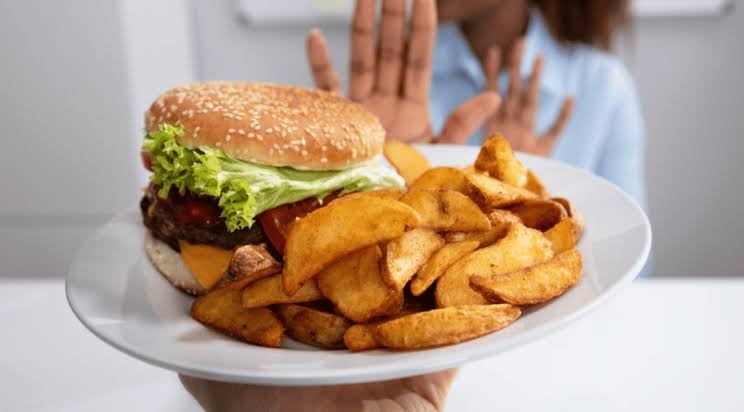
Are Fried and Greasy Foods Bad on Ozempic
Fried and greasy foods are among the foods to avoid with Ozempic if you notice that they trigger digestive discomfort. Fried chicken, French fries, heavily battered foods, greasy burgers, and other high-fat meals can feel particularly heavy when digestion is slower.
Fat is an important nutrient and does not need to be eliminated from your diet. The issue is more about the quantity and type of fat in a meal. Large amounts of fried or greasy food can provide substantial calories while offering relatively little nutritional value.
Instead, consider cooking methods that use less added fat, such as baking, grilling, roasting, steaming, or air frying. Avocado, nuts, seeds, and olive oil can provide healthier sources of dietary fat when consumed in appropriate portions.
Should You Avoid Sugary Foods on Ozempic
Foods and drinks containing large amounts of added sugar are worth limiting during weight management. Sugary sodas, sweetened coffee drinks, candy, pastries, desserts, and similar foods can add significant calories without providing much protein, fiber, or other nutrients.
Ozempic may reduce appetite, which means you may have fewer opportunities to eat throughout the day. Choosing foods with more nutritional value can help you make those meals count. Excessive added sugar can also make it easier to consume more calories than intended.
You do not necessarily need to eliminate every dessert or sweet food. An occasional small portion can fit into a balanced eating pattern. The bigger priority is making nutrient-dense foods the foundation of your regular meals.
Are High-Fat Foods on the Ozempic Diet a Problem
High-fat foods are not automatically unhealthy, but very large amounts of dietary fat can be difficult for some people taking Ozempic. Because semaglutide can slow gastric emptying, a high-fat meal may feel particularly heavy and may contribute to nausea, fullness, reflux, or bloating.
Examples include fried foods, fatty cuts of meat, creamy sauces, full-fat fast food meals, and large portions of cheese. If these foods consistently cause discomfort, reducing portion sizes or choosing lower-fat alternatives may help.
Healthy fats still have an important place in a balanced diet. Small portions of avocado, olive oil, nuts, seeds, and fatty fish can provide beneficial nutrients without requiring a very large meal.
Can Spicy Foods Cause Problems With Ozempic
Spicy foods are not universally prohibited while taking Ozempic. However, some people may find that very spicy meals worsen heartburn, nausea, indigestion, or stomach discomfort.
If you already experience digestive symptoms from Ozempic, extremely spicy dishes may make those symptoms more noticeable. Pay attention to your personal tolerance rather than assuming that every spicy food must be removed from your diet.
You can reduce the intensity of spices and choose milder seasonings if necessary. Herbs, lemon, garlic, ginger, and other flavorful ingredients can help create satisfying meals without relying heavily on hot spices.
What About Alcohol While Taking Ozempic
Alcohol deserves careful consideration during Ozempic treatment. Alcohol can contribute additional calories and may affect appetite and food choices. Drinking heavily can also make it more difficult to maintain healthy eating and weight-management habits.
People taking medications for diabetes or other health conditions may also have additional considerations related to alcohol. For this reason, it is sensible to discuss alcohol use with your healthcare professional based on your individual treatment and health circumstances.
If you choose to drink, moderation and awareness of how your body responds are important. Never assume that alcohol is harmless simply because a medication does not list it as an absolute dietary restriction.
What Fast Foods Should You Limit on Ozempic
Fast food can be high in calories, saturated fat, sodium, and added sugars, particularly when meals include large portions, fried sides, creamy sauces, and sugary drinks. These meals may also be difficult to tolerate if Ozempic has made your digestion more sensitive.
You do not have to completely eliminate restaurants or fast food from your life. Choosing grilled rather than fried options, selecting smaller portions, skipping sugary drinks, and adding vegetables can make a meal more balanced.
Pay attention to portion size as well. Since Ozempic can make you feel full sooner, ordering a smaller meal may be more comfortable than choosing a large combination meal.
What Should You Eat on Ozempic Instead
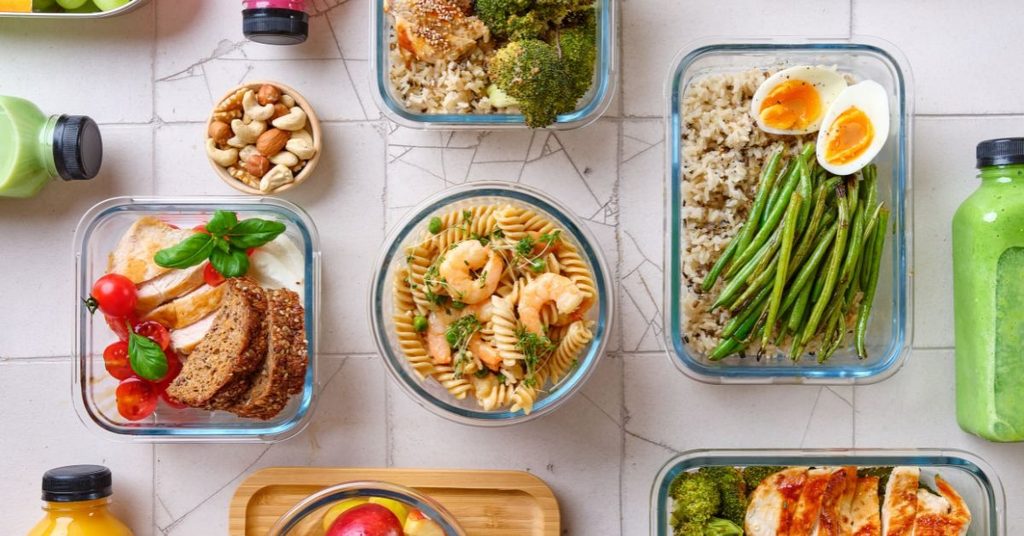
Knowing what to eat on Ozempic is just as important as knowing which foods to limit. A balanced Ozempic diet can include lean protein, vegetables, fruits, whole grains, legumes, healthy fats, and adequate fluids.
Protein-rich foods can help support muscle maintenance during weight loss. Options include eggs, chicken, fish, lean meat, Greek yogurt, cottage cheese, beans, lentils, tofu, and other protein sources that fit your dietary preferences.
Fiber-rich foods can also support a nutritious eating pattern. Vegetables, fruits, whole grains, and legumes provide fiber along with vitamins and minerals. If you experience constipation while taking Ozempic, increasing fiber gradually while maintaining adequate hydration may be useful.
AM Rx provides virtual healthcare and weight-management services that can help eligible patients discuss nutrition, medication, and lifestyle strategies as part of their overall treatment.
How Should You Eat When Taking Ozempic
Meal size and eating speed can matter just as much as food selection. Because Ozempic may make you feel full sooner, eating large meals quickly can increase the likelihood of discomfort.
Try eating slowly and stopping when you feel comfortably satisfied rather than continuing until you are overly full. Smaller meals may work better for some people, particularly during the early stages of treatment.
A balanced plate can include a protein source, vegetables or fruit, a moderate portion of whole grains or another carbohydrate, and a small amount of healthy fat. This approach provides variety while keeping portions manageable.
Can You Eat Carbs on Ozempic
Yes. Carbohydrates do not need to be completely eliminated while taking Ozempic. The quality and quantity of carbohydrates are more important than avoiding them altogether.
Whole grains, beans, lentils, fruits, vegetables, and other minimally processed carbohydrate sources provide nutrients and fiber. Highly refined carbohydrates, sugary cereals, pastries, and sweetened beverages are better limited because they can provide large amounts of calories with fewer beneficial nutrients.
If you are using Ozempic for diabetes management, your carbohydrate intake may need to reflect your individual glucose-management goals. Your healthcare professional can help you determine an eating pattern that fits your treatment.
How Does AM Rx Support Ozempic Weight Management
Choosing appropriate foods is only one part of a successful weight-management strategy. Medication adherence, nutrition, physical activity, appetite changes, treatment response, and long-term habits can all influence your progress.
Effective weight loss programs with online GLP-1 prescriptions by AM Rx provide eligible patients with convenient access to virtual healthcare, professional guidance, and ongoing support throughout their weight-management journey. Through virtual care, patients can discuss Ozempic, nutrition, lifestyle habits, and treatment goals with healthcare professionals.
Frequently Asked Questions
What are the main foods to avoid on Ozempic
There is no universal list of completely forbidden foods. However, many people find that large portions of fried foods, greasy meals, highly processed foods, and foods high in added sugar can be difficult to tolerate or may make weight management harder.
Can I eat fried food while taking Ozempic
You can eat fried food, but large or greasy portions may increase digestive discomfort for some people. If fried foods cause nausea, bloating, reflux, or stomach discomfort, reducing your intake or choosing baked or grilled alternatives may help.
Can I eat sugar while taking Ozempic
Small amounts of sugary foods can fit into a balanced diet, but foods and drinks high in added sugar are generally better limited. Prioritizing protein, vegetables, fruits, whole grains, and other nutrient-dense foods can support overall nutrition.
What should I eat on Ozempic for weight loss
Focus on balanced meals containing protein, vegetables, fruits, whole grains, legumes, and healthy fats. Smaller portions may be more comfortable because Ozempic can increase fullness and slow stomach emptying.
Can I drink alcohol while taking Ozempic
Alcohol can add calories and may affect appetite and food choices. Whether alcohol is appropriate depends on your individual health and treatment. Discuss your alcohol intake with your healthcare professional if you have concerns.
Should I avoid carbohydrates on Ozempic
No. Carbohydrates do not need to be eliminated. Choosing nutrient-rich sources such as vegetables, fruits, beans, lentils, and whole grains can provide fiber and other important nutrients.
Why do I feel full so quickly on Ozempic
Ozempic can slow stomach emptying and affect appetite, which may cause you to feel full sooner than before. Eating slowly and choosing smaller meals can make eating more comfortable.
Conclusion
Knowing which foods to avoid on Ozempic can make your treatment experience more comfortable, but you do not need to follow an extremely restrictive diet. Fried and greasy foods, very large meals, highly processed foods, and foods high in added sugar may be worth limiting, particularly if they trigger digestive symptoms or make it harder to maintain your weight-management goals.
At the same time, your Ozempic diet should include nutritious foods that provide protein, fiber, vitamins, minerals, and healthy fats. Lean proteins, vegetables, fruits, whole grains, legumes, and moderate portions of healthy fats can provide a strong foundation for balanced meals.
AM Rx offers virtual healthcare and weight-management services for eligible patients who want professional support throughout their treatment journey. From questions about what to eat on Ozempic to broader medication and weight-management concerns, AM Rx can help you stay informed and focused on sustainable progress.
