
Introduction
Drywall Installation is one of the most important steps in creating smooth, durable, and visually appealing interior walls. Whether you are building a new home, renovating a room, or repairing damaged walls, the quality of your drywall work directly impacts the final look of the space. A flawless finish is not just about appearance; it also ensures strength, insulation efficiency, and long-term durability.
Many people think drywall work is simple—just attach boards to studs and cover the seams. In reality, professional results require proper planning, precise measurement, careful handling of materials like gypsum board or sheetrock, and skillful finishing techniques. From framing preparation to sanding the final coat of joint compound, every step plays a role in achieving seamless walls.
This article explores expert-level Drywall Installation techniques in a clear and practical way. You will learn how professionals prepare spaces, hang drywall correctly, finish joints smoothly, and avoid common mistakes that can ruin the final surface. Whether you are a DIY homeowner or an aspiring contractor, these insights will help you achieve a clean, polished, and professional-quality result.
Understanding the Basics of Drywall Installation and Materials
Before starting any Drywall Installation project, it is essential to understand the materials and tools involved. Drywall, also known as gypsum board or sheetrock, is made of a gypsum core sandwiched between paper layers. It is widely used because it is affordable, easy to install, and provides a smooth surface for painting or texturing.
Different types of drywall are available depending on the project needs. Standard drywall is used for most interior walls, while moisture-resistant drywall is ideal for bathrooms, kitchens, and laundry areas. Fire-resistant drywall is commonly installed in garages, utility rooms, and shared walls for added safety. Choosing the right type ensures long-term performance and compliance with building standards.
The structure behind the drywall is equally important. Wooden or metal studs form the frame that supports the boards. These studs must be properly aligned, level, and spaced correctly to avoid uneven surfaces. If the framing is not accurate, even the best Drywall Installation techniques will not produce a smooth finish.
Essential tools include drywall screws, a drill, utility knives, T-squares, taping knives, and sanding tools. Joint compound, also known as mud, is used to cover seams and screw holes. Corner beads are installed on external corners to protect and strengthen edges. Understanding these basics helps ensure that the entire installation process runs smoothly and efficiently.
Preparing the Space for a Smooth Drywall Installation Process
Preparation is one of the most overlooked yet critical steps in Drywall Installation. A well-prepared space makes the entire process easier and improves the final result significantly. Before installing any panels, the work area should be cleaned, measured, and inspected thoroughly.
The first step is checking the framing structure. All studs should be straight, dry, and securely fastened. Any loose nails, uneven beams, or protruding screws must be fixed before proceeding. A level surface ensures that drywall sheets sit flush without gaps or bulges.
Next comes insulation, which is typically installed between studs before drywall is placed. Proper insulation improves energy efficiency, soundproofing, and indoor comfort. Once insulation is in place, vapor barriers may be added in specific environments to control moisture and prevent mold growth.
Accurate measurement is another key part of preparation. Each drywall sheet must be measured and cut according to wall dimensions. Professionals often plan layouts in advance to minimize waste and reduce seams. Fewer seams mean fewer finishing issues later, resulting in a smoother wall surface.
Lighting also plays an important role during preparation. Good lighting helps identify imperfections in framing or surface irregularities before installation begins. In professional Drywall Installation, even small errors are corrected at this stage to avoid larger problems later.
By taking time to properly prepare the space, you create a strong foundation for efficient installation and a high-quality finish. Skipping this stage often leads to misaligned sheets, visible seams, and costly rework.
Step-by-Step Drywall Hanging Techniques for Professional Results
Hanging drywall correctly is the core of any successful Drywall Installation project. This stage requires precision, patience, and proper handling of large gypsum boards. Each sheet must be placed carefully to ensure tight joints and minimal gaps.
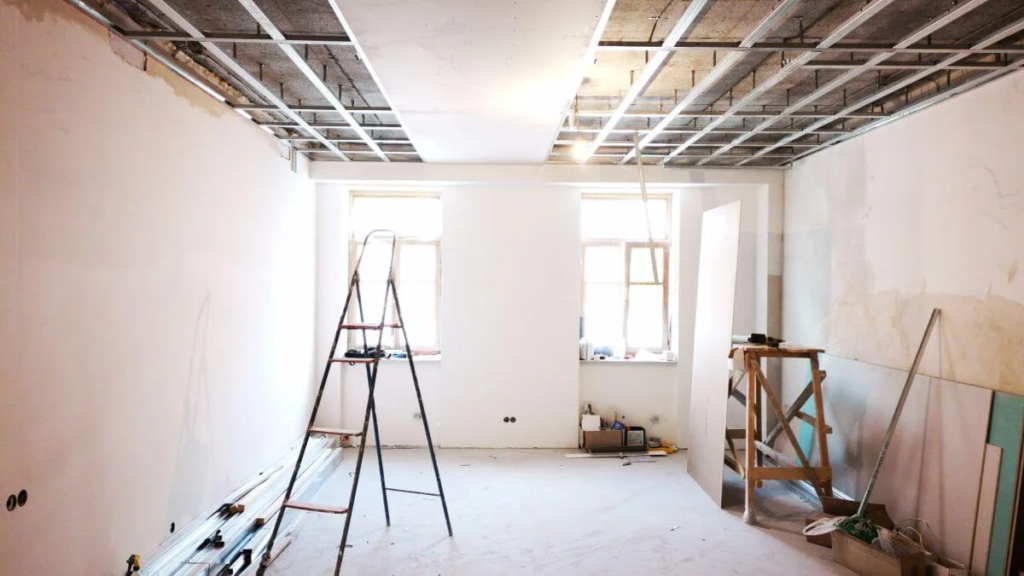
The process typically begins with ceiling installation before moving to walls. Ceiling sheets are more difficult to handle, so professionals often use lifts or assistance. Once the ceiling is complete, wall panels are installed from top to bottom. This sequence helps maintain structural alignment and stability.
When placing each sheet, it is important to keep edges tight against studs without forcing the board. Drywall screws are used instead of nails in most modern installations because they provide stronger and more stable fastening. Screws should be driven slightly below the surface without breaking the paper layer, creating a shallow indentation for joint compound.
Spacing between screws is also important. Evenly distributed fasteners prevent sagging and ensure a secure fit. However, over-tightening should be avoided, as it can damage the board and weaken its hold.
Cutting drywall requires careful measurement and scoring with a utility knife. After scoring, the board is snapped cleanly and trimmed for a precise fit. Around windows, doors, and electrical outlets, openings must be carefully cut to match exact dimensions. Accuracy at this stage reduces finishing work later.
Professional Drywall Installation also focuses on staggering seams. Instead of aligning joints in a straight line, sheets are offset to improve strength and reduce visible cracking over time. This technique enhances both durability and appearance.
By following these hanging techniques, you establish a solid foundation for the finishing process that follows.
Taping, Mudding, and Sanding for a Seamless Wall Finish
Once the drywall is hung, the finishing process begins. This stage is where walls transform from rough panels into smooth, paint-ready surfaces. Proper taping, mudding, and sanding are essential for a flawless Drywall Installation outcome.
The first step is applying joint tape over seams. This tape helps reinforce joints and prevents cracking. It is embedded into a thin layer of joint compound, ensuring it adheres securely to the surface. Corners often require special attention, and corner bead is used to create strong, clean edges.
After taping, the first coat of joint compound is applied. This layer covers seams, screws, and imperfections. The compound must be spread evenly using a taping knife, feathering the edges to blend with the surrounding surface. Once dry, it forms the base for additional layers.
The second and third coats of mud are applied gradually, each one wider and smoother than the last. This layering technique helps eliminate visible transitions between panels. Patience is important here, as rushing can lead to uneven surfaces and visible ridges.
Sanding is the final step in this stage. Using fine-grit sandpaper or sanding sponges, the surface is smoothed until it feels even to the touch. Dust control is important during sanding, as excessive dust can affect paint adhesion and indoor air quality.
Lighting is often used at an angle during inspection to reveal imperfections that are not visible under normal conditions. Any remaining flaws are corrected with additional sanding or touch-up compound.
This stage defines the final appearance of your Drywall Installation. A well-finished wall should look seamless, with no visible joints or screw marks.
Common Mistakes in Drywall Installation and How to Avoid Them
Even experienced installers can make mistakes during Drywall Installation, and these errors can affect both appearance and durability. Understanding common issues helps prevent them and ensures a better final result.
One of the most frequent mistakes is improper screw placement. Screws that are driven too deep or too shallow can weaken the structure or create visible bumps. Maintaining consistent depth is essential for a smooth finish.
Another common issue is poor seam alignment. If drywall sheets are not staggered or properly fitted, seams become visible after painting. This problem is often caused by rushing the installation or failing to plan the layout in advance.
Insufficient framing support can also lead to sagging or cracked walls. If studs are spaced too far apart or not level, drywall panels may shift over time. Proper framing inspection before installation prevents this issue.
Skipping or rushing the finishing process is another major mistake. Inadequate mudding or sanding results in visible lines and uneven textures. Each coat of joint compound needs enough drying time to achieve the best result.
Moisture-related issues are also common, especially in bathrooms and basements. Using standard drywall in high-moisture areas can lead to mold growth and deterioration. Choosing the correct moisture-resistant materials is crucial for long-term performance.
By being aware of these mistakes and addressing them early, you can significantly improve the quality of your Drywall Installation project and achieve professional-level results.
Conclusion
Drywall Installation is both a technical and detail-oriented process that requires careful planning, precise execution, and proper finishing techniques. From understanding materials like gypsum board and joint compound to mastering hanging, taping, and sanding, each step plays a vital role in achieving smooth and durable walls.
A flawless finish is not the result of one single action but the combination of multiple well-executed steps. Proper preparation, accurate measurement, strong framing, and patient finishing all contribute to professional-quality results. Avoiding common mistakes further ensures that the walls remain strong, level, and visually appealing for years to come.
Whether you are working on a small home project or a large construction job, mastering these Drywall Installation techniques will help you deliver results that meet high standards of quality and craftsmanship.
