
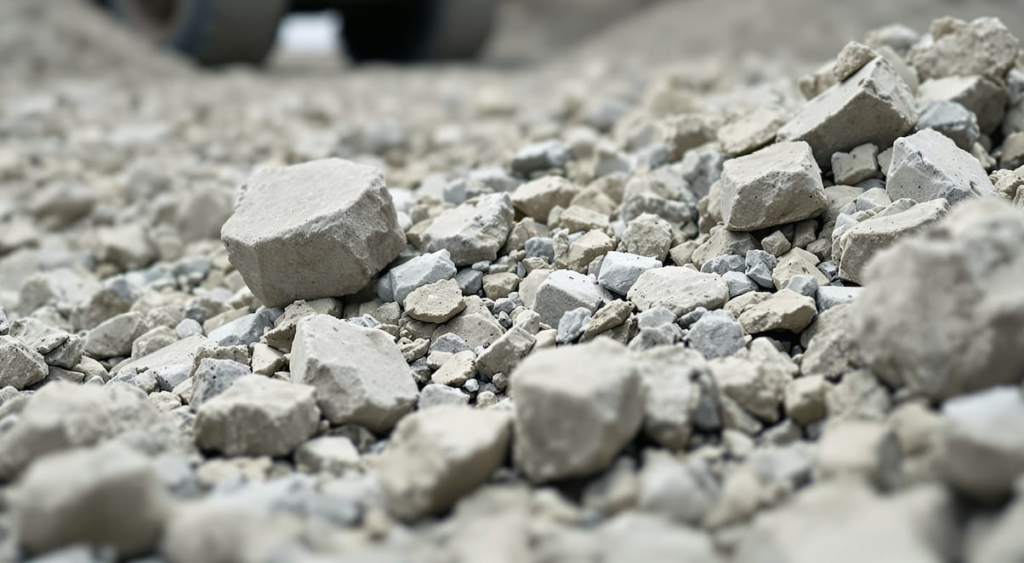
Demolition work can be highly profitable, but only when contractors have the right equipment, process, and material management strategy in place. Every hour of downtime, every extra hauling trip, and every load of reusable debris sent to the landfill can reduce margins. That is why more contractors are rethinking how they handle concrete, asphalt, brick, stone, and other demolition materials on-site. One of the most valuable investments for improving productivity and reducing costs is a mobile jaw crusher, especially for contractors who want to turn demolition debris into reusable aggregate instead of paying to haul it away.
For demolition contractors, profitability depends on much more than tearing down a structure. The real opportunity often comes from how efficiently materials are separated, processed, transported, reused, or sold. With the right demolition equipment for contractors, crews can complete jobs faster, reduce labor requirements, lower disposal expenses, and create more value from the materials already available on the job site.
This article explores the essential equipment that can make demolition projects more profitable, with a special focus on how jaw crushers and related machinery help contractors improve efficiency from start to finish.
Why Equipment Choice Matters in Demolition Profitability
Demolition projects involve many moving parts. Contractors must manage safety, permits, labor, debris removal, transportation, equipment availability, and strict project deadlines. Poor equipment choices can lead to delays, higher operating costs, and unnecessary material waste.
The right equipment helps contractors:
- Work faster and more safely
- Reduce manual labor
- Process debris more efficiently
- Lower hauling and landfill costs
- Reuse materials on-site
- Improve bidding competitiveness
- Increase profit margins
In many cases, contractors lose money not because the demolition work itself is inefficient, but because material handling after demolition is poorly planned. Concrete, asphalt, and masonry debris are heavy, expensive to move, and costly to dispose of. When contractors have the right construction debris crushing equipment, they can turn those materials into useful aggregate for backfill, road base, drainage, or future construction use.
Excavators for Fast and Controlled Demolition
Excavators are one of the most important machines on any demolition site. They provide the power, reach, and versatility needed to bring down structures, remove debris, sort materials, and load trucks or crushers.
Depending on the project, contractors may use standard excavators, high-reach excavators, compact excavators, or excavators fitted with specialized attachments. Hydraulic breakers, shears, grapples, pulverizers, and buckets allow one machine to handle multiple tasks.
For contractors focused on profitability, excavators help reduce labor costs and speed up demolition timelines. A well-matched excavator can remove concrete slabs, break apart foundations, sort recyclable materials, and feed debris into crushing equipment. When paired with a jaw crusher for demolition projects, an excavator becomes part of a more complete and efficient material processing system.
Jaw Crushers for Turning Debris Into Reusable Material
A jaw crusher is one of the most valuable pieces of profitable demolition equipment because it allows contractors to process hard materials directly on-site. Instead of paying to haul concrete, brick, stone, or asphalt to a disposal facility, contractors can crush the material into reusable aggregate.
This can create several financial advantages. First, contractors reduce trucking costs by keeping materials on-site. Second, they reduce landfill or tipping fees. Third, they may be able to reuse the crushed material for backfill, road base, parking lot sub-base, drainage layers, or temporary access roads. In some cases, processed aggregate can also be sold or used on future projects.
A jaw crusher works especially well for demolition because it is designed to handle tough, abrasive materials. Concrete with rebar, old foundations, sidewalk sections, and masonry debris can often be processed efficiently with the right setup. For contractors managing multiple demolition jobs, on-site concrete crushing equipment can quickly become a major advantage.
The key benefit is control. Contractors no longer have to depend entirely on outside disposal sites or aggregate suppliers. They can process material when and where it is needed, helping jobs move faster and more predictably.
Loaders for Material Handling and Site Efficiency
Wheel loaders and skid steers are essential for keeping demolition sites organized and productive. Once debris is broken down, it must be moved, stockpiled, loaded, or fed into processing equipment. Loaders help crews handle these tasks quickly.
A wheel loader is useful on larger sites where high-volume material movement is required. It can load trucks, move crushed aggregate, manage stockpiles, and support crusher operations. Skid steers and compact track loaders are better suited for tighter spaces, smaller demolition sites, and interior or urban work.
Efficient loading equipment reduces bottlenecks. Even the best crusher or excavator will not deliver maximum value if materials are not moved efficiently. For this reason, contractors should view loaders as part of the full demolition production system, not just support machines.
When loaders, excavators, and crushers work together, contractors can create a smoother material flow from demolition to processing to reuse.
Hydraulic Attachments for Versatility
Hydraulic attachments can dramatically increase the value of existing equipment. Instead of buying separate machines for every task, contractors can use attachments to expand what their excavators or loaders can do.
Common demolition attachments include:
- Hydraulic breakers for breaking concrete and rock
- Pulverizers for crushing concrete and separating rebar
- Grapples for sorting and handling debris
- Shears for cutting steel and structural material
- Buckets for loading and cleanup
- Magnets for removing metal from debris
Attachments help contractors reduce labor, improve safety, and prepare materials for crushing. For example, a pulverizer can break larger concrete pieces into manageable sizes before they enter a jaw crusher. A magnet can remove metal from processed material, improving the quality of the finished aggregate.
The more efficiently contractors prepare demolition debris, the better their crushing operation will perform.
Screeners for Better Aggregate Quality
Crushing material is only part of the process. Contractors often need to separate crushed material by size to make it more useful. This is where screening equipment becomes important.
A screener separates crushed debris into different sizes, allowing contractors to produce more consistent material. This can be useful for road base, backfill, drainage stone, bedding material, or general fill. Better sizing can also make recycled material more valuable and easier to reuse.
For contractors using construction debris crushing equipment, adding a screener can improve the overall quality of the finished product. It also allows contractors to create multiple material sizes from the same demolition debris, increasing flexibility on the job site.
In many demolition projects, a crusher and screener combination can transform waste into a valuable job site resource.
Trucks and Hauling Equipment
Even when contractors crush and reuse materials on-site, trucks remain important. Dump trucks, roll-off trucks, and haul trucks are commonly used to move debris, equipment, and processed material.
However, the goal should be to reduce unnecessary hauling whenever possible. Hauling is one of the largest expenses in demolition work because it includes fuel, driver time, truck wear, disposal fees, and scheduling delays.
By using on-site concrete crushing equipment, contractors can reduce the number of outbound debris loads and inbound aggregate deliveries. This does not eliminate the need for trucks, but it helps contractors use them more strategically.
Fewer hauling trips can also improve job site safety, reduce traffic around the project, and lower the environmental impact of the work.
Dust Control and Safety Equipment
Profitable demolition projects must also be safe and compliant. Dust, noise, flying debris, unstable structures, and heavy machinery all create risks. Safety problems can lead to delays, fines, injuries, and increased insurance costs.
Important safety and dust control equipment may include water suppression systems, dust cannons, personal protective equipment, barriers, signage, machine guards, and traffic control tools.
When crushing materials, dust control is especially important. Contractors should use proper water systems, follow local regulations, and keep operators trained on safe equipment use. A safer site is usually a more productive site because crews can work with fewer interruptions and lower risk.
How Jaw Crushers Improve Demolition Project Margins
The biggest reason contractors invest in a jaw crusher for demolition projects is simple: it can help increase margins. Instead of treating concrete and masonry debris as waste, contractors can treat it as a resource.
A jaw crusher can help improve profitability by:
- Reducing disposal fees
- Lowering trucking costs
- Creating reusable aggregate
- Reducing the need to buy new material
- Speeding up site cleanup
- Improving control over project timelines
- Supporting more competitive bids
For contractors bidding on demolition work, these savings can make a major difference. Lower operating costs can allow a contractor to submit more competitive proposals while still protecting profit margins.
In a market where clients care about cost, speed, and sustainability, crushing and reusing materials can also become a selling point. Contractors can show clients that they are reducing waste, improving efficiency, and making smarter use of project materials.
Choosing the Right Equipment for Your Demolition Business
Not every contractor needs the same equipment. The best setup depends on project size, material type, site conditions, budget, and long-term business goals.
Before investing in demolition equipment for contractors, consider these questions:
- What types of materials do you handle most often?
- How much concrete or asphalt debris do your projects produce?
- Are disposal and hauling costs cutting into your profits?
- Do you have space to process material on-site?
- Would reusable aggregate reduce your material purchasing costs?
- Do you need mobile equipment for multiple job sites?
- What size material must your crusher handle?
- How often will the equipment be used?
Contractors who frequently handle concrete demolition, roadwork, site clearing, foundation removal, or asphalt removal may benefit significantly from owning or renting crushing equipment. A jaw crusher can be especially useful for businesses that want a reliable way to process tough demolition debris and reduce waste.
Final Thoughts
More profitable demolition projects start with better planning and better equipment. Excavators, loaders, hydraulic attachments, screeners, trucks, and safety systems all play an important role in keeping jobs productive. However, one of the biggest opportunities for contractors is improving how they manage demolition debris.
By using a jaw crusher, contractors can turn concrete, asphalt, brick, stone, and other hard materials into reusable aggregate. This reduces hauling, lowers disposal costs, improves site efficiency, and helps contractors get more value from every project.
For contractors looking to reduce waste, improve margins, and compete for more profitable work, investing in the right crushing and material handling equipment can be a smart long-term strategy.
