
Cold weather transforms skin faster than almost any other seasonal shift. The air itself becomes drier, indoor heating strips away moisture, and the barrier that’s been protecting your skin all year suddenly needs completely different support. For anyone living through a genuine winter, skin dryness becomes less a cosmetic concern and more an actual discomfort, with flaking, tightness, and that raw feeling that makeup can’t cover. The good news is that understanding why this happens makes preventing it far simpler than most people assume.
Why Cold Air Dries Skin So Aggressively
The mechanics of winter dryness are straightforward, and understanding them helps explain why your usual skincare routine suddenly stops working. Cold air holds less moisture overall, so humidity levels drop significantly, which pulls hydration from the skin’s outer layers. Indoor heating, a necessary evil in frigid climates, makes this worse by further reducing ambient humidity to near-desert levels. Your skin isn’t getting drier because it’s producing less oil, it’s getting drier because the environment is actively pulling moisture away faster than any barrier cream can replace it. This is why generic moisturizing alone often feels insufficient when winter really hits.
Your Barrier Needs Reinforcement, Not Just More Moisturizer
Most people respond to dryness by slathering on heavier creams, which is helpful but incomplete. The real issue is that your skin barrier, the outermost layer that holds water in and keeps irritants out, becomes compromised by cold, dry conditions. Once the barrier is damaged, no amount of surface moisturizer fully compensates. What actually works is rebuilding that barrier with the right ingredients, typically ceramides, fatty acids, and cholesterol, which are the actual components that make skin barrier function. A quality moisturizer contains these, but many popular options focus on feel-good ingredients while neglecting true barrier support. Understanding this distinction changes which products actually earn their place in your winter routine.
Humidity Is Your Secret Weapon
Here’s where most people miss an opportunity. Adding humidity back into your environment directly counteracts what the season is doing to your skin. A humidifier in your bedroom and bathroom during winter months is one of the most effective skincare tools nobody thinks to use. It doesn’t cost much, it doesn’t require daily application, and it works while you sleep. If a full humidifier feels excessive, even a small unit in your bedroom makes a measurable difference, since your skin is repairing and hydrating itself during sleep when external stressors pause momentarily. Raising your environment’s humidity protects skin far more effectively than any topical product addressing damage that’s already happening.
Professional Treatments Keep Skin Functioning Through Winter
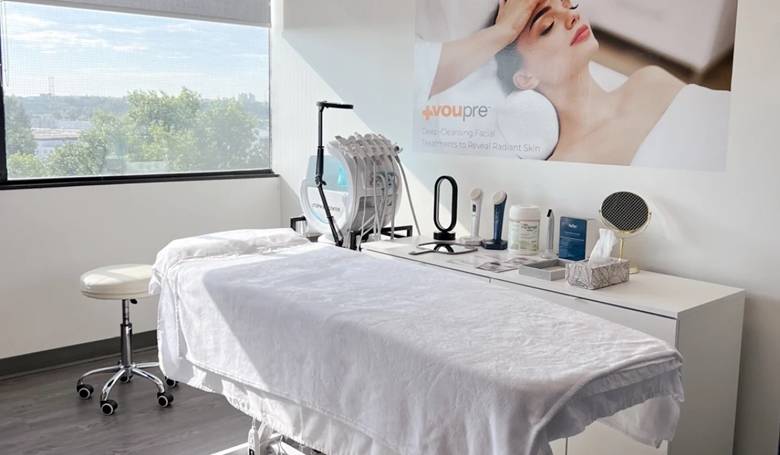
Seasonal treatments deserve serious consideration once cold weather arrives. Hydrating facials with hyaluronic acid and glycerin infusions provide intensive moisture support that store-bought products rarely match. These treatments also work to smooth any flaking or rough texture that’s already developed, restoring the skin’s ability to reflect light evenly rather than looking dull and patchy. Regular professional treatments spaced through the winter months keep skin functioning optimally rather than waiting until damage is visible. Treating skin monthly during cold seasons is genuinely preventive, not indulgent, since it’s far easier to maintain hydration than to repair a severely compromised barrier come spring.
Gentle Exfoliation Matters More Than Ever
This feels counterintuitive, but winter is actually when you need thoughtful exfoliation most, not least. Dead skin cells accumulate more readily on dry skin, creating that flaky texture and rough patches that feel awful and look worse. The trick is gentleness, using chemical exfoliants like hydrating AHAs or gentle enzyme treatments rather than aggressive scrubbing that further damages an already-stressed barrier. Once or twice weekly gentle exfoliation removes dead cells that prevent moisturizers from penetrating while respecting the fragile barrier underneath. Skipping exfoliation entirely during winter usually backfires, since accumulated dead skin blocks everything from working properly.
Strategic Layering Beats Thick, Heavy Creams
Winter skincare actually works better with smart layering than with one heavy cream. Start with a hydrating toner or essence while skin is still slightly damp from cleansing, then layer a hydrating serum, then a lightweight moisturizer, then finish with an occlusive if your skin needs it. This approach gets more moisture into skin than one thick application ever could, and it lets you customize for your skin’s specific needs rather than forcing everything into a single product. Each layer serves a purpose, from hydration to barrier protection to occlusion, and this targeted strategy beats the assumption that winter means going heavier across the board.
Getting Professional Support Through the Season
Winter dryness responds best to a combination of smart home care and professional guidance tailored to how your specific skin reacts to cold weather. What works beautifully for someone with naturally oily skin won’t necessarily work for someone prone to dryness year-round, and assumptions often lead to problems rather than solutions. Calgary Skincare Specialists can assess what your skin actually needs this season and recommend treatments and products matched specifically to your concerns rather than generic winter advice.
Protecting skin from cold-season dryness comes down to understanding that you’re fighting an environmental battle, not a product deficiency. Supporting your barrier, adding humidity, and professional treatment keep skin comfortable and functioning through winter’s harshest months. If you’re already experiencing the flaking, tightness, and dull appearance that winter brings, reach out to get personalized guidance and the treatments that actually restore your skin’s health and appearance.
