
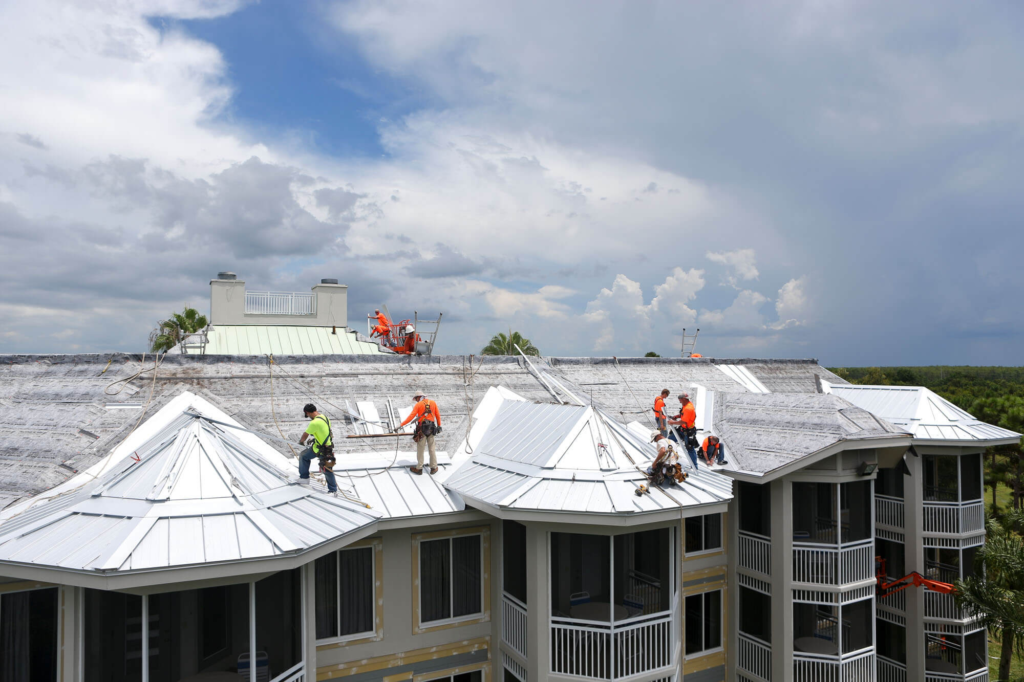
Texas homeowners face a unique combination of weather conditions, architectural trends, and long-term maintenance challenges. From intense summer heat to sudden hailstorms and heavy seasonal rain, roofing systems in the state need to handle far more than simple curb appeal. As a result, many property owners are becoming more intentional about the materials, designs, and maintenance strategies they choose for their homes.
In growing metro areas, roofing decisions are no longer viewed as a purely cosmetic upgrade. A roof now plays a central role in energy efficiency, structural protection, resale value, and long-term durability. Homeowners are researching materials more carefully, asking more questions during inspections, and planning replacements with climate resilience in mind.
For residents evaluating options related to roofing San Antonio, understanding how local climate patterns and modern construction priorities intersect can help guide smarter decisions over time.
Why Roofing Matters More in Hot-Weather Regions
Roofing systems in warm-weather states experience constant exposure to ultraviolet radiation and prolonged heat. Over time, this can weaken shingles, warp underlayment materials, and reduce the effectiveness of attic ventilation.
Many homeowners underestimate how much direct sun exposure can affect a roof’s lifespan. Even quality materials deteriorate faster when subjected to years of intense heat cycles. This is why proper installation methods, ventilation planning, and material selection are especially important in Texas communities.
A high-performing roofing system does more than block rain. It also:
- Helps regulate indoor temperatures
- Reduces energy strain during summer months
- Prevents moisture buildup in attic spaces
- Protects insulation from damage
- Improves long-term property value
As utility costs continue to rise, more homeowners are viewing roof upgrades as an investment in efficiency rather than simply a repair expense.
Common Roofing Materials and Their Advantages
Not every roofing material performs the same way under Texas weather conditions. While budget is always a factor, durability and maintenance requirements should also play a major role in the decision-making process.
Asphalt Shingles
Asphalt shingles remain one of the most widely used residential roofing materials because they balance affordability with versatility. Modern versions are available in many colors and styles, allowing homeowners to match architectural aesthetics while maintaining reasonable installation costs.
However, lower-grade shingles may struggle under prolonged heat exposure. Higher-quality architectural shingles generally provide better wind resistance and longer durability.
Metal Roofing
Metal roofs have gained popularity due to their energy efficiency and longevity. Reflective coatings can reduce heat absorption, helping homeowners lower cooling costs during hot months.
Additional benefits include:
- Strong resistance to hail damage
- Reduced maintenance requirements
- Long service life
- Fire resistance
- Modern design appeal
Although installation costs are often higher upfront, many homeowners appreciate the long-term durability metal roofing can provide.
Tile Roofing
Tile roofing is frequently associated with Southwestern architecture and offers excellent durability in warm climates. Clay and concrete tiles can withstand high temperatures effectively and often last for decades when maintained properly.
The primary consideration is structural support. Tile systems are significantly heavier than shingles, which means homes may require additional reinforcement before installation.
The Growing Importance of Roof Ventilation
Ventilation is one of the most overlooked components of residential roofing. A well-designed ventilation system allows heat and moisture to escape from attic spaces, reducing strain on roofing materials and improving indoor comfort.
Poor ventilation can create several issues, including:
- Premature shingle deterioration
- Increased attic temperatures
- Higher cooling bills
- Moisture-related wood damage
- Mold growth risks
In warmer climates, attic temperatures can become extreme during summer afternoons. Without adequate airflow, trapped heat accelerates wear throughout the roofing system.
Balanced intake and exhaust ventilation help maintain more stable conditions and contribute to better roof performance over time.
How Storm Activity Influences Roofing Decisions
Texas weather patterns can shift rapidly. Strong winds, hailstorms, and sudden rain events create major concerns for homeowners attempting to protect their properties.
As a result, impact-resistant materials have become increasingly popular. Many property owners now prioritize roofing systems designed to withstand:
- High wind uplift
- Flying debris
- Hail impact
- Heavy rain accumulation
- Rapid temperature fluctuations
Storm preparedness also influences installation practices. Proper flashing placement, sealing techniques, and drainage design all contribute to how well a roof performs during severe weather.
Even relatively minor installation errors can lead to long-term water intrusion problems. Because of this, homeowners are paying closer attention to workmanship quality and inspection standards before beginning projects.
Signs a Roof May Need Professional Attention
Roof damage is not always obvious from the ground. In many cases, issues develop gradually and become more expensive when ignored for long periods.
Some warning signs homeowners should watch for include:
Interior Water Stains
Discoloration on ceilings or walls often signals moisture intrusion. Even small stains may indicate hidden roofing or flashing problems.
Missing or Curled Shingles
Shingles that lift, crack, or curl can expose underlying materials to moisture and wind damage.
Granule Loss
If large amounts of shingle granules appear in gutters, it may suggest the roofing material is deteriorating.
Sagging Areas
Visible sagging can indicate structural issues or trapped moisture beneath the roofing surface.
Rising Energy Costs
Unexpected increases in cooling expenses may point to ventilation or insulation problems associated with the roofing system.
Addressing these warning signs early can help homeowners avoid more extensive repairs later.
Why Preventive Maintenance Continues to Matter
Many roofing problems develop because small issues go unnoticed for extended periods. Preventive maintenance remains one of the most effective ways to extend roof lifespan and reduce unexpected repair costs.
Routine inspections can identify vulnerable areas before they worsen. Maintenance often includes:
- Clearing debris from drainage systems
- Inspecting flashing and sealants
- Checking for loose materials
- Examining attic ventilation performance
- Monitoring storm-related wear
Homeowners who schedule regular inspections are often better positioned to catch damage early and preserve the integrity of their roofing systems.
Roofing Trends Are Becoming More Energy Focused
Energy-conscious home improvement decisions continue to influence roofing preferences across the country. Reflective materials, improved insulation strategies, and ventilation upgrades are increasingly common in modern residential construction.
Cool roofing technologies are especially relevant in regions with long summers and high heat exposure. These systems are designed to reflect more sunlight and absorb less heat, potentially improving indoor comfort while reducing cooling demands.
Sustainability is also becoming part of the conversation. Some homeowners now prioritize recyclable materials, longer-lasting products, and systems that contribute to overall energy efficiency.
As building standards evolve, roofing systems are expected to play an even larger role in environmental performance and long-term property resilience.
Conclusion
Residential roofing decisions involve far more than selecting a material that looks attractive from the street. Climate conditions, ventilation quality, installation standards, and maintenance practices all influence how well a roofing system performs over time.
For homeowners in Texas, understanding these factors can help prevent costly damage while improving comfort, efficiency, and long-term property protection. As weather conditions become increasingly unpredictable, investing in durable roofing strategies and proactive maintenance continues to grow in importance.
Whether planning a full replacement or evaluating the condition of an existing roof, informed decisions today can help homeowners avoid larger structural and financial challenges in the future.
