
Key Takeaways
- Technology has transformed how buyers search for homes through online listings, apps, and virtual tours.
- Virtual tours and 3D walkthroughs allow buyers to explore properties remotely and save time.
- Smart home features are increasingly important for convenience, security, and energy efficiency.
- Sustainable and eco-friendly homes are gaining popularity among modern buyers.
- Flexible spaces support remote work and changing lifestyle needs.
- Community amenities and connectivity influence many homebuying decisions.
- Working with experienced real estate professionals helps navigate the complex market.
- Digital mortgage tools and financial technology simplify the financing process.
Introduction
The real estate landscape is evolving rapidly, presenting both challenges and opportunities for today’s homebuyers. Understanding and leveraging modern solutions can make the journey to homeownership smoother and more rewarding. For those navigating the Chicagoland area, partnering with experienced professionals like LaGrange real estate experts The Vitell Group can provide invaluable guidance. Led by Jeremy Vitell, who has over 45 years of experience in La Grange Park, The Vitell Group offers comprehensive services tailored to each client’s unique needs.
Embracing Technology in Home Searches
Technology has revolutionized the way buyers search for homes. Online platforms and mobile apps provide real-time listings, virtual tours, and detailed neighborhood information, allowing buyers to explore properties from the comfort of their homes. This digital approach saves time and broadens the scope of available options.
Virtual Tours: A Game-Changer
Virtual tours have become a staple in the homebuying process. They offer immersive experiences that enable buyers to navigate properties remotely. This innovation is particularly beneficial for out-of-town buyers or those with tight schedules, providing a realistic sense of space and layout without the need for physical visits.
The use of 3D walkthroughs and interactive floor plans in virtual tours allows potential buyers to visualize themselves within the space. Additionally, some platforms offer augmented reality features that overlay furniture and décor options, helping buyers better understand the potential of each property they explore online. These technological enhancements have streamlined the decision-making process while reducing the time and energy constraints often associated with in-person tours.
Smart Home Features: The New Standard
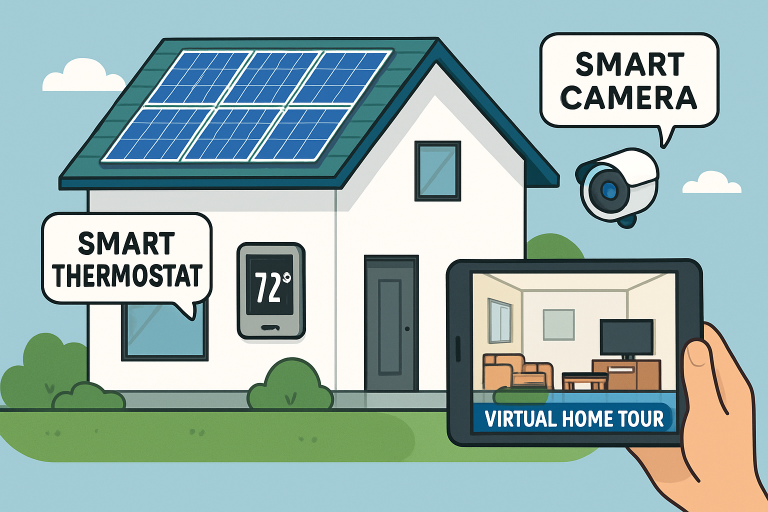
Modern buyers are increasingly drawn to homes equipped with smart technology. Features such as automated lighting, climate control, and security systems not only enhance convenience but also improve energy efficiency and reduce costs. Investing in smart home capabilities can make a property more appealing and future-proof.
Voice-activated assistants, smart doorbells, intelligent thermostats, and integrated security cameras are no longer futuristic concepts; they are expectations for many buyers. The ability to control one’s home environment remotely brings an added layer of security and peace of mind. Furthermore, smart home integration can increase a property’s value, giving buyers the confidence that their investment will stand the test of time as technology continues to advance.
Eco-Friendly and Sustainable Living
Sustainability is a growing priority among homebuyers. Properties with energy-efficient appliances, solar panels, and sustainable materials are in high demand. These features not only reduce environmental impact but also offer long-term financial benefits through lower utility bills and potential tax incentives.
Eco-conscious buyers are seeking innovations such as green roofs, advanced insulation, water-efficient fixtures, and low-emission building materials. In communities across the country, developers are beginning to recognize the value of sustainable design and are constructing homes and neighborhoods that minimize environmental impact. By prioritizing energy efficiency, buyers are also future-proofing their investment against rising energy costs and changing regulations.
Flexible Spaces for Evolving Needs
The shift towards remote work has increased the demand for homes with adaptable spaces. Buyers are seeking properties that offer home offices, multipurpose rooms, and outdoor areas that can serve as extensions of living space. Flexibility in design allows homeowners to tailor their environments to changing lifestyles.
This trend is also influencing new construction and renovation projects. Open-concept floor plans allow for reconfigurable spaces over time, while innovative furniture solutions, such as Murphy beds and movable walls, add further adaptability. Outdoor living areas, such as decks, patios, and rooftop gardens, have become highly coveted, providing areas for recreation, dining, and relaxation. Homebuyers are prioritizing layouts that will continue to accommodate a variety of future uses, from growing families to entrepreneurial ventures.
Community and Connectivity
Beyond the physical attributes of a home, buyers are increasingly emphasizing community and connectivity. Proximity to amenities, public transportation, and vibrant neighborhoods enhances quality of life. Engaging with local real estate experts can provide valuable insights into community dynamics and help identify areas that align with personal preferences.
Neighborhood walkability, access to farmers’ markets, local schools, healthcare facilities, and cultural destinations all influence buying decisions. Many buyers are also looking for communities that offer shared amenities like parks, fitness centers, and coworking spaces that foster a sense of belonging and encourage social connection. As hybrid and remote work environments persist, living in well-connected communities supports both personal and professional fulfillment.
Partnering with Experienced Professionals
Navigating the complexities of the modern real estate market is best accomplished with the guidance of seasoned professionals. Real estate professionals play a critical role beyond simple transaction management. They offer strategic advice, market analytics, and negotiation expertise to ensure buyers secure the right property at the right price. A knowledgeable agent can identify hidden gems, navigate multiple-offer scenarios, and connect clients with proven service providers such as home inspectors, mortgage professionals, and contractors, streamlining the buying journey and minimizing stress. For first-time buyers especially, having an advocate who understands local trends, ordinances, and community characteristics can make a dramatic difference in the outcome of a search.
Mortgage Innovation and Financial Considerations
Modern mortgage solutions are also transforming the homebuying process. Digital lenders and online pre-approval processes have reduced paperwork and increased transparency, while alternative loan products cater to buyers with diverse financial profiles. Homebuyers can utilize mortgage calculators, rate comparison tools, and budgeting apps to make well-informed decisions. Lenders now frequently offer tailored guidance and access to educational resources, enabling buyers to understand tax credits, down payment assistance programs, and long-term equity considerations. Taking advantage of these modern financial tools sets a strong foundation for purchasing success.
Final Thoughts
Adapting to modern real estate solutions empowers homebuyers to make informed decisions and find properties that meet their evolving needs. By embracing technology, prioritizing sustainability, and seeking expert guidance, buyers can navigate the market with confidence and success. Today’s homebuying journey is defined by innovation and choice, allowing individuals and families to find not only a house but a true home, one that suits their values and aspirations. For those in the Chicagoland area, leveraging local expertise and modern strategies ensures that every buyer is well-positioned for success in an ever-changing real estate environment.
