
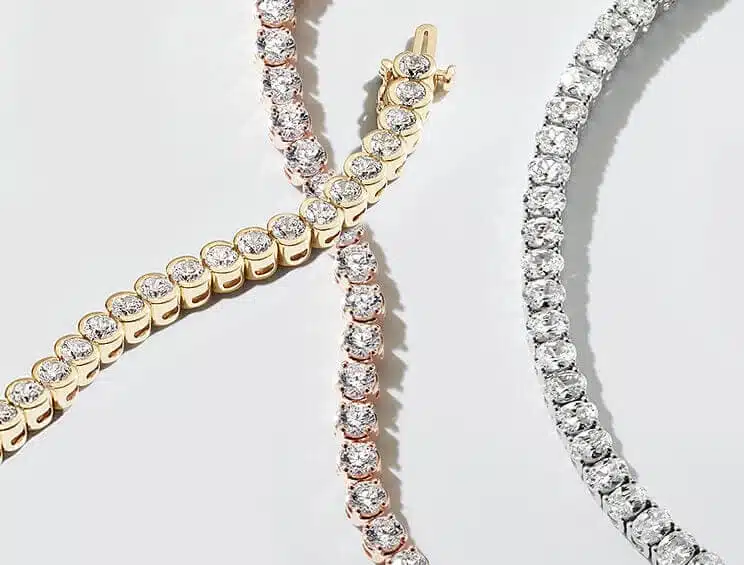
The global jewelry industry is undergoing one of the biggest transformations in its history. What once relied on in-store interactions, manual craftsmanship, and traditional buying habits is now being influenced by advanced digital tools, artificial intelligence, and data-driven insights. As more consumers shop online, brands and marketplaces are adopting innovative technologies to enhance transparency, improve user experience, and build trust.
Today, digital architecture is becoming just as important as metalwork and gemstone design. From smart recommendation engines to immersive virtual try-on tools, technology is redefining how people discover, evaluate, and purchase jewelry.
The Rise of AI in Jewelry Buying Decisions
Artificial intelligence is making jewelry shopping more efficient, personalized, and insightful. Instead of relying only on in-store consultations, buyers now have access to digital tools that explain clarity grades, compare gemstones, and suggest alternatives based on budget and style preferences.
How AI Enhances the Buying Journey
AI now plays a central role in how users research jewelry online:
- Smart comparison tools that highlight differences between gemstones or metals.
- AI-driven guides that interpret grading reports and simplify technical details.
- Personalized suggestions based on browsing behavior and past purchases.
- Automated chat support that answers common questions in real-time.
These tools give shoppers a clearer understanding of quality indicators before making a purchase, especially when dealing with diamonds or high-value pieces. Many consumers rely on trusted educational platforms, where resources created by Learning Jewelry experts provide clarity on certifications, gemstone differences, and buying best practices.
A Transparent Approach to Learning
Tech-driven educational tools reduce confusion and simplify decision-making. They help shoppers understand key factors like:
- Carat weight
- Color and clarity
- Cut types
- Lab-grown vs. natural gemstones
- Metal durability
This blend of AI and expert guidance is reshaping buyer confidence in the digital age.
Virtual Try-On Technology: Bridging the Physical and Digital Experience
One of the biggest concerns around buying jewelry online is uncertainty will the piece suit the buyer’s hand, neckline, or style? Virtual try-on tools are solving this challenge by letting users preview items through augmented reality (AR).
How Virtual Try-Ons Work
Virtual try-on systems use camera input and mapping technology to simulate how jewelry looks when worn:
- Rings can be placed on a digital hand model or mapped onto the user’s live camera feed.
- Earrings appear naturally on the ear using facial tracking.
- Necklaces and pendants adapt to body movement.
These tools create an interactive shopping environment similar to trying pieces in a physical store.
Benefits for Consumers
Virtual try-on improves decision-making by:
- Helping users visualize size and scale.
- Allowing quick comparisons of different styles.
- Eliminating in-store pressure.
- Reducing return rates caused by mismatched expectations.
Brands using AR are seeing higher customer engagement, especially among younger buyers who prefer mobile shopping.
Blockchain and Transparency in the Jewelry Supply Chain
Consumers increasingly demand ethical sourcing and transparency regarding gemstones and metals. Blockchain is becoming a powerful tool to provide verified traceability.
Why Blockchain Matters
Traditionally, tracking a gemstone’s origin was challenging due to multiple intermediaries. Blockchain changes this by recording tamper-proof data at each stage, including:
- Mining
- Cutting and polishing
- Certification
- Transportation
- Retail sale
Each step is logged on a secure ledger, making it available for users who want to verify authenticity.
Benefits for Buyers
- Ensures stones are conflict-free
- Strengthens trust in grading reports
- Supports responsible sourcing
- Protects consumers from counterfeit gemstones
Blockchain allows brands to tell a more transparent story, helping consumers make informed decisions based on verifiable information.
Smart Jewelry: Where Fashion Meets Technology
Another growing trend is the rise of smart jewelry, which blends wearable technology with stylish design. These pieces appeal to buyers who want functionality without compromising aesthetics.
Examples of Smart Jewelry
- Fitness-tracking rings that monitor heart rate and sleep patterns
- Bracelets with NFC chips for secure payments
- Necklaces that sync with health apps to measure breathing patterns
- Safety pendants with emergency alert features
These innovations merge wellness, safety, and fashion in a seamless way.
Why Smart Jewelry Is Growing
Several factors explain its rising popularity:
- Increased interest in health monitoring
- Preference for minimalistic wearables
- Desire for discreet tech alternatives to smartwatches
- Emphasis on personal safety and connectivity
Tech-driven jewelry is expected to become a standard part of the wearable tech ecosystem.
The Business Shift: How Online Jewelry Markets Are Evolving
The jewelry industry’s digital growth is reshaping business operations for both brands and consumers. E-commerce now plays a major role in how jewelry is marketed, researched, and purchased.
Key Changes in the Marketplace
- Online reviews are becoming central to purchase decisions.
- Virtual consultations with gemologists replace store visits.
- Inventory digitization helps buyers explore thousands of designs easily.
- Data analysis tailors marketing to consumer behavior.
Educational websites continue to support this shift. Many shoppers rely on trusted insights from Learning Jewelry experts at when evaluating stones, settings, and certifications.
Challenges Businesses Face
Even with technology, brands must overcome:
- High return rates due to size or style mismatch
- Counterfeit concerns
- Difficulty replicating luxury store experiences online
- Need for consistent, accurate product photography
Companies that balance tech innovation with authenticity are most likely to succeed.
What Consumers Should Know Before Buying Jewelry Online
Technology has made online jewelry shopping simpler, but buyers still need to stay informed. Digital convenience should complement smart decision-making.
Key Considerations
Before purchasing jewelry online, shoppers should evaluate:
- Certification authenticity
- Return and resizing policies
- Gemstone grading standards
- Warranty and repair options
- Customer review consistency
- Vendor transparency
These steps ensure a smooth buying experience and protect long-term value.
Conclusion
Technology is reshaping the jewelry industry in dynamic and meaningful ways. Artificial intelligence is guiding shoppers through complex buying decisions, while virtual try-on tools make online purchases more interactive and accurate. Blockchain is reinforcing trust, smart jewelry is a merging function with fashion, and digital marketplaces are evolving to meet modern expectations.
As consumers continue to shift online, understanding how tech influences transparency, quality, and personalization becomes essential. Today’s jewelry buyers rely on a blend of digital tools and expert insights, helping them shop smarter and with greater confidence.
FAQs
1. How is AI changing the jewelry shopping experience?
AI simplifies complex information by analyzing gemstone details, grading reports, and user preferences. It provides personalized recommendations and real-time support. This makes it easier for buyers to compare options, understand quality standards, and make confident decisions without relying solely on in-store consultations.
2. Is virtual try-on technology accurate for jewelry shopping?
Most modern AR tools provide highly accurate visual simulations. They map jewelry pieces onto a user’s hand, ear, or neckline with realistic scaling. While not a full substitute for physical trying, they significantly reduce uncertainty and improve online buying accuracy.
3. Why is blockchain becoming important in the jewelry industry?
Blockchain offers verifiable transparency by recording each step in a gemstone’s journey from mining to retail. This helps consumers ensure authenticity, avoid conflict stones, and trust certifications. It also protects buyers from potential fraud or counterfeit products.
4. What should I consider before buying jewelry online?
Shoppers should check certification details, seller credibility, return policies, and product reviews. They should also evaluate grading standards, warranty coverage, and item descriptions. Understanding these factors helps buyers avoid mistakes and ensures long-term satisfaction.
5. How is smart jewelry different from regular wearables?
Smart jewelry focuses on blending technology with elegant design. Unlike bulky smartwatches, these pieces are subtle and fashion-oriented. They offer features such as health tracking, payment functionality, and emergency alerts while maintaining the appearance of traditional jewelry.
