

Key Takeaways
- Compassionate care focuses on tailored, individual support for seniors, respecting their preferences and needs.
- Quality companionship and engagement reduce loneliness and promote mental wellness.
- Ongoing physical care with professional attention leads to better health outcomes and reduces risks.
- Cognitive engagement activities help to preserve memory and spark interest in daily life.
- Families benefit from knowing their loved ones are safe, respected, and content at home.
Table of Contents
- Personalized Support Tailored to Individual Needs
- Enhancing Emotional Well-Being Through Companionship
- Promoting Physical Health and Safety
- Supporting Cognitive Function and Mental Stimulation
- Encouraging Independence and Dignity
- Providing Peace of Mind for Families
- Conclusion
As people age, the routine activities that once seemed simple can become increasingly challenging. Compassionate care services are designed for these moments in life, providing seniors with custom-tailored assistance that supports their physical and emotional well-being. Many families have turned to live-in caregiver agencies Atlanta to ensure their loved ones receive the support they deserve, right in the comfort of their own homes.
Seniors often face not only the realities of declining health but also the challenges of social isolation and a loss of independence. Compassionate caregivers bridge these gaps, helping seniors maintain a sense of autonomy and improving day-to-day living in significant ways. By building authentic relationships, these professionals make a measurable difference in the happiness and health of older adults.
Personalized Support Tailored to Individual Needs
Everyone ages differently, so compassionate care avoids standardized routines, focusing instead on personal needs and flexible plans. Caregivers tailor solutions to medical needs, mobility, and preferences, from bathing and dressing to meal planning and medication reminders. This individualized approach reduces neglect and encourages seniors to participate in care decisions, vital for their well-being. Regular assessments help caregivers adapt as health and preferences change, keeping seniors central to decision-making. This flexibility allows seniors to maintain meaningful routines like favorite meals, hobbies, or contact with loved ones. Personalized support leads to better outcomes and a sense of control as needs evolve.
Enhancing Emotional Well-Being Through Companionship
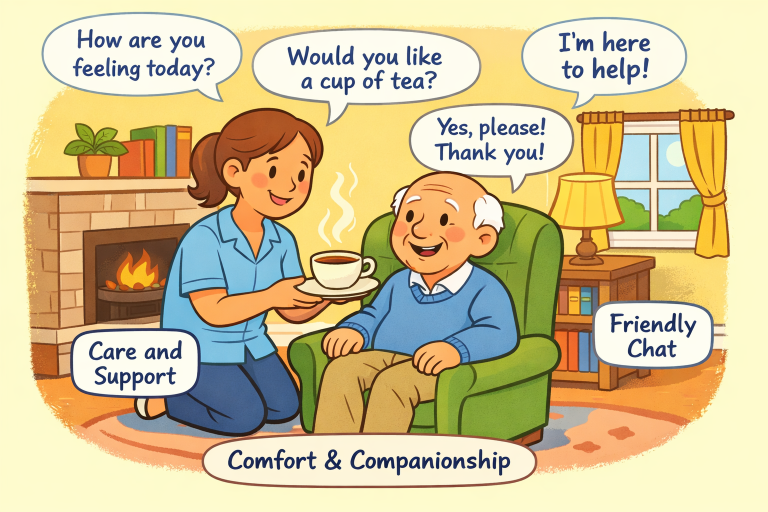
Social isolation can have a devastating impact on older adults, increasing the risk of depression and cognitive decline. Compassionate caregivers step in as true companions, not just providers of physical help. Through meaningful conversation, reading, hobbies, and other engaging activities, they fill the days with positive interaction. According to the Centers for Disease Control and Prevention, frequent social engagement is linked to improved mental health and reduced feelings of loneliness among seniors.
Loneliness is recognized as a serious health risk for older adults, similar in impact to chronic physical conditions. Compassionate companions don’t just mitigate this; they actively encourage personal growth, introduce new interests, and celebrate achievements, big and small. By fostering friendship, trust, and emotional safety, these caregivers help seniors rediscover joy in their daily routines, contributing to resilience and a more positive outlook on life.
Promoting Physical Health and Safety
Helping seniors maintain healthy routines is crucial for preventing illness and injury. Compassionate care includes preparing nutritious meals, monitoring hydration, and encouraging gentle exercises to maintain mobility. Caregivers detect early warning signs of medical issues and contact healthcare professionals, reducing emergency visits. Safety checks, like inspecting for fall hazards and ensuring medication intake, add extra protection for older adults. Physical activities suited to their mobility, from stretches to guided exercises, promote fitness, manage pain, and boost spirits. This care approach integrates proactive health strategies into daily life.
Supporting Cognitive Function and Mental Stimulation
Age-related memory loss can be frightening for seniors and their families. Compassionate caregivers employ techniques such as memory games, music therapy, art activities, and storytelling to keep the mind engaged. This proactive approach to cognitive stimulation not only preserves mental sharpness but also brings joy and a sense of accomplishment to everyday life. The Alzheimer’s Association highlights the value of such activities in reducing cognitive decline and reinforcing social connections for those facing memory challenges.
Caregivers trained in cognitive engagement can spot early warning signs of decline, making timely interventions or referrals. Activities are always tailored to individual ability and interest, ensuring seniors feel included and motivated. These practices, combined with education for families on supporting cognitive health, create a holistic environment that prioritizes mental vitality alongside physical care.
Encouraging Independence and Dignity
Seniors value making choices about their lives, like scheduling, food, and activities. Care services support this by offering options and respecting individual wishes, helping maintain dignity and self-esteem. Involving seniors in decisions, such as choosing clothes or activities, fosters a sense of control and autonomy, boosting confidence and combating feelings of helplessness associated with aging or illness.
Providing Peace of Mind for Families
Families often worry and feel guilty when they can’t be present enough. Caregivers ease these worries by providing updates, maintaining communication, and seeking input on changes or challenges. Knowing a loved one is cared for with empathy and professionalism gives families peace of mind. Care providers also offer resources, educational materials, and guidance during health transitions, such as hospital discharges or new diagnoses. Support extends beyond the senior to loved ones navigating complex decisions. This reduces stress, confusion, and emotional burden, highlighting the value of compassionate home care.
Conclusion
Compassionate care services do more than assist with chores; they create environments where seniors thrive through personalized support, companionship, attention to health, and mental stimulation. These holistic solutions help older adults maintain independence and dignity, giving families confidence their loved ones are safe and content. Embracing compassionate care can turn later years into a time of comfort and fulfillment. It touches every aspect of senior living by focusing on individual needs and respecting uniqueness, allowing older adults to lead richer, healthier lives. For families, knowing their loved ones are thriving is priceless. Choosing compassionate in-home care means investing in a future where seniors age with grace, contentment, and dignity.
