
Key Takeaways
- Regular oil changes prevent sludge buildup and reduce engine wear.
- They enhance fuel efficiency and overall vehicle performance.
- Consistent maintenance extends engine lifespan and maintains resale value.
- Proper oil changes help protect the environment by reducing harmful emissions.
Table of Contents
- Preventing Sludge Buildup
- Enhancing Fuel Efficiency
- Extending Engine Lifespan
- Maintaining Resale Value
- Reducing Harmful Emissions
- Improving Engine Cooling
- Detecting Potential Issues Early
- Conclusion
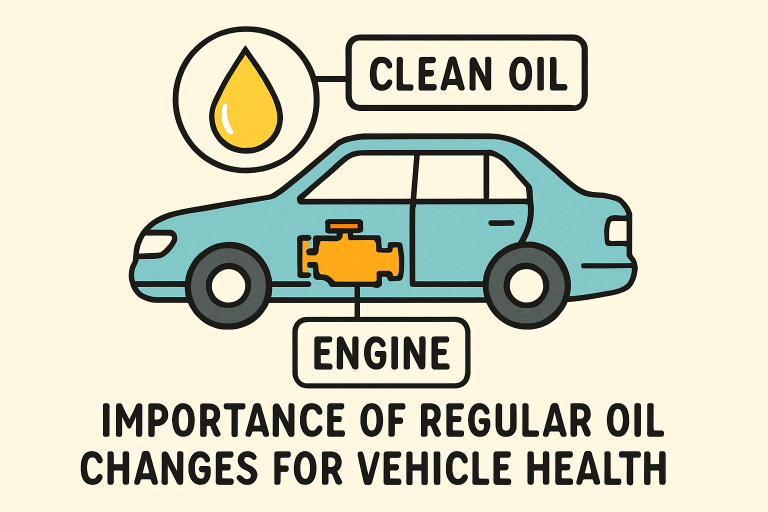
Regular oil changes are one of the simplest yet most effective ways to maintain a vehicle’s performance and longevity. Engine oil lubricates critical components, reduces friction, and helps prevent wear and tear on moving parts. Over time, oil breaks down, becomes contaminated with dirt and debris, and loses its effectiveness, leading to decreased efficiency and even costly engine damage. Scheduling routine oil changes ensures that your engine continues to run smoothly, supports optimal fuel economy, and minimizes the risk of unexpected breakdowns.
Using high-quality oils, such as those compatible with COD fuel systems, can further enhance engine protection and performance. Consistent maintenance not only safeguards your vehicle but also preserves its resale value, offering owners peace of mind. By adhering to recommended oil change intervals, drivers can enjoy smoother rides, better engine reliability, and long-term cost savings, making this simple maintenance task a cornerstone of responsible vehicle care.
Preventing Sludge Buildup
Engine oil gathers contaminants as it circulates, gradually turning into sludge. Left unchecked, this sludge can impede oil flow, starve engine components of vital lubrication, and cause them to overheat or seize up. Conducting oil changes on schedule washes away dirt and particles, ensuring your vehicle’s engine stays clean and well-protected. The result is less risk of internal damage and improved reliability for daily commutes and extended trips alike.
Enhancing Fuel Efficiency
One of the most significant advantages of routine oil changes is enhanced fuel economy. When oil is fresh and free of contaminants, it reduces friction among moving engine parts. This lower friction means less energy is wasted, and your car burns less fuel per mile. Studies show that properly maintained vehicles with clean oil can achieve up to two more miles per gallon, making a noticeable difference at the gas pump.
Extending Engine Lifespan
Regular oil changes are one of the best ways to ensure your vehicle lasts well beyond the average lifespan. By minimizing internal friction and heat, fresh oil deters premature aging of engine components and protects against catastrophic failures. Many professional mechanics agree that vehicles that receive regular oil changes often achieve mileage milestones that their neglected counterparts rarely reach.
Maintaining Resale Value
Your car’s resale value depends heavily on how well it has been maintained. A history of regular oil changes signals to buyers that a vehicle has received proper care, often translating into higher trade-in or private sale offers. Prospective buyers view thorough maintenance records as proof of reliability, allowing you to command a better price and complete the sale with confidence.
Reducing Harmful Emissions
When oil degrades, it loses its ability to lubricate and clean engine parts adequately, leading to less efficient combustion. This inefficiency results in more pollutants exiting your vehicle’s tailpipe. Conversely, regular oil changes help your engine burn fuel more cleanly, reducing harmful emissions such as hydrocarbons and carbon monoxide, and promoting a healthier environment.
Improving Engine Cooling
Beyond lubrication, oil serves to draw heat away from high-friction engine components. As oil becomes dirty or runs low, it is less effective at absorbing and dissipating heat, increasing the risk of overheating and major engine damage. Timely oil changes keep this critical cooling function intact, helping your vehicle handle daily driving and tough conditions with ease.
Detecting Potential Issues Early
Most oil change appointments include a basic inspection. During these service intervals, technicians may notice worn gaskets, minor leaks, or other early warning signs that something is amiss. Spotting and addressing these concerns right away prevents surprise breakdowns and allows drivers to schedule repairs at their convenience, rather than being stranded on the roadside.
Conclusion
Making oil changes a routine part of your vehicle care plan comes with considerable benefits. It ensures cleaner engine operation, boosts fuel efficiency, and extends your engine’s longevity. Importantly, scheduled oil changes safeguard your car’s value, reduce environmental impact, and provide an early warning system for potential issues. By prioritizing this simple maintenance step, drivers can enjoy smoother, more efficient journeys and preserve their vehicle’s investment for years to come.
