
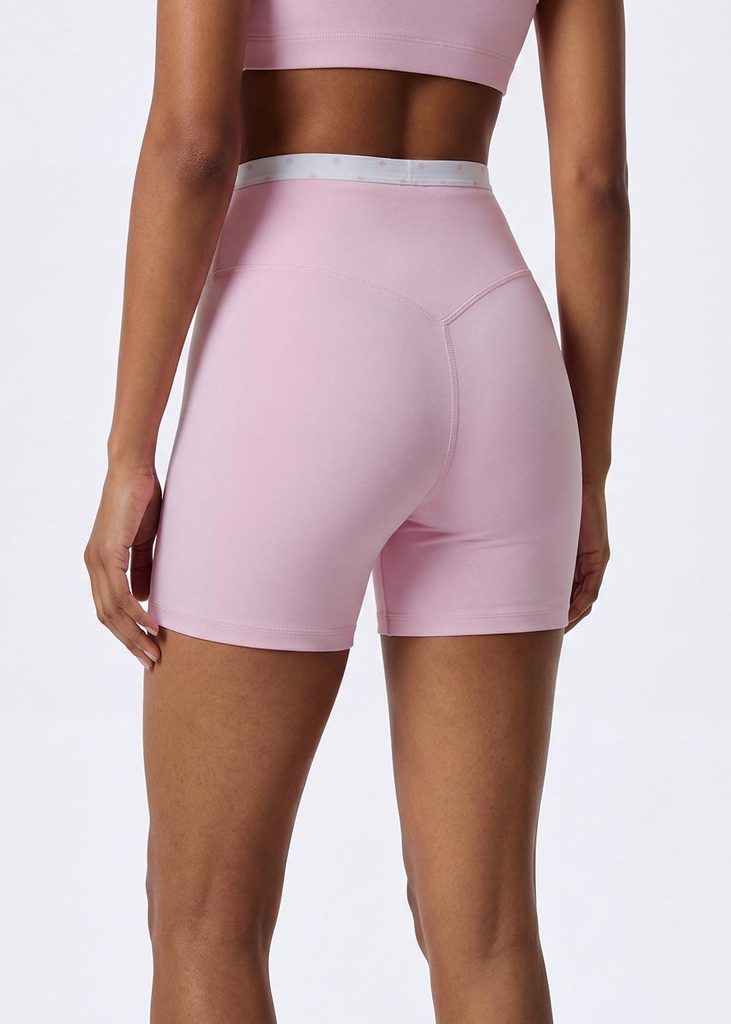
Yoga shorts seem like the simplest garment in your drawer until you try to buy a good pair. Too short and you spend class tugging them down; too loose and they ride up in every lunge. The waistband rolls, the liner chafes, the pockets — if they exist — are useless. A little know-how turns shorts shopping from a gamble into a sure thing.
Finding Your Ideal Length
Length is the first decision and the most personal. Bike-short styles (around 6 to 8 inches) dominate studio yoga because they stay put through deep bends and inversions without exposing anything. Shorter cuts work for hot yoga and runners who want maximum airflow, but demand more attention during practice. Longer, looser shorts suit gentle flows and anyone who prefers coverage. As a rule, the more dynamic your practice, the more a fitted, mid-length pair of yoga shorts earns its place.
The Waistband Makes or Breaks the Pair
A great waistband is wide, lies flat, and does not fold over when you move. High-rise cuts have largely won for yoga because they sit above the hip bones and stay anchored through forward folds. Drawstrings add adjustability but can create bulk under a fitted top; a well-designed elastic waistband often does the job alone. Test any pair of yoga shorts with a standing forward fold — if the back dips or the front digs in, keep looking.
Fabric and Liner Choices
The same rules that apply to tops apply here: moisture-wicking synthetics with spandex beat cotton every time. Many yoga shorts include a built-in liner, which adds modesty and support but also another layer to evaluate — a good liner is breathable and stays in place, a bad one bunches. Unlined shorts give you freedom to choose your own base layer. Either way, check opacity with the stretch test: pull the fabric taut over your hand in bright light before you commit.
Once you have your length, waistband, and fabric preferences sorted, picking from a dedicated yoga shorts collection is straightforward — you are matching specs, not guessing.
Pockets: Nice to Have or Must-Have?
- Side pockets fit a phone for outdoor sessions; make sure they are deep enough that it stays put in a twist.
- Hidden waistband pockets work for keys and cards on the go.
- Skip pockets entirely for hot yoga — fewer seams means less chafing when you are drenched.
- Back pockets look sporty but can press uncomfortably during supine poses.
Liner or No Liner: Making the Call
Built-in liners divide opinion like few other features. A good liner adds modesty, light support, and one less layer to think about — ideal for hot yoga where minimal coverage feels best. The catch is that liners vary wildly in quality: a breathable mesh liner that stays put is a joy, while a bunched, sweaty one ruins an otherwise great pair of yoga shorts. If you prefer choosing your own base layer, unlined shorts give you that freedom and often last longer since there is less to wear out. There is no universally right answer, only the right answer for how you like to feel. When trying lined shorts, do a few deep lunges in the fitting room — the liner should move with you, not against you.
Matching Shorts to Your Workout
Different practices stress shorts differently. Hot yoga demands minimal, quick-drying coverage — this is where a streamlined pair of yoga shorts truly shines, since less fabric means less sweat trapped against your skin. Strength training and HIIT call for secure fits that survive jumping and deep squats without shifting. Running adds the chafing dimension, making flat seams and the right inseam critical. Gentle flows and yin are the most forgiving: comfort and softness matter more than lockdown performance. Most practitioners end up with two styles in rotation — a performance pair for intense days and a relaxed pair for easy ones — because no single pair of yoga shorts is perfect for everything.
Chafing: Prevention and Fixes
Chafing is the unglamorous reality of shorts in motion, but it is largely preventable. Fit comes first: shorts that are too loose rub, and so do seams in the wrong places — flatlock construction is worth seeking out. Moisture makes everything worse, which is another argument for genuine wicking fabrics over cotton blends. For long sessions, anti-chafe balms on the inner thighs work remarkably well. And if a particular pair of yoga shorts always chafes in the same spot despite fitting well, the pattern simply does not suit your body — retire them without guilt and move on.
When to Replace Them
Even the best yoga shorts wear out. The elastic gives up, the fabric pills, the color fades, and worst of all, they go sheer in the seat — something you will not notice until someone mentions it. If your shorts no longer snap back, slide during practice, or have thinning fabric, retire them to loungewear duty. A fresh pair of yoga shorts is one of the cheapest upgrades you can make to your practice.
