
Long-term weight management can be difficult because losing weight and keeping it off are two different challenges. Changes in appetite, eating patterns, activity levels, metabolism, and other factors can affect a person’s ability to maintain weight loss over time. For some people, prescription treatment can become part of a broader strategy for managing weight over the long term.
People researching a semaglutide weight loss prescription often want to know whether the medication can help beyond the first few months of treatment. Research suggests that semaglutide can support substantial and sustained weight loss when it is continued alongside lifestyle changes. The FDA-approved weight-management formulation is intended for chronic weight management in eligible patients, making long-term treatment an important part of its use.
FitRx offers a virtual weight-management program that connects eligible patients with licensed healthcare providers who can evaluate their health information and determine whether treatment is appropriate. When clinically suitable, a plan may include GLP-1 medication, nutrition guidance, physical activity recommendations, coaching, and ongoing support.
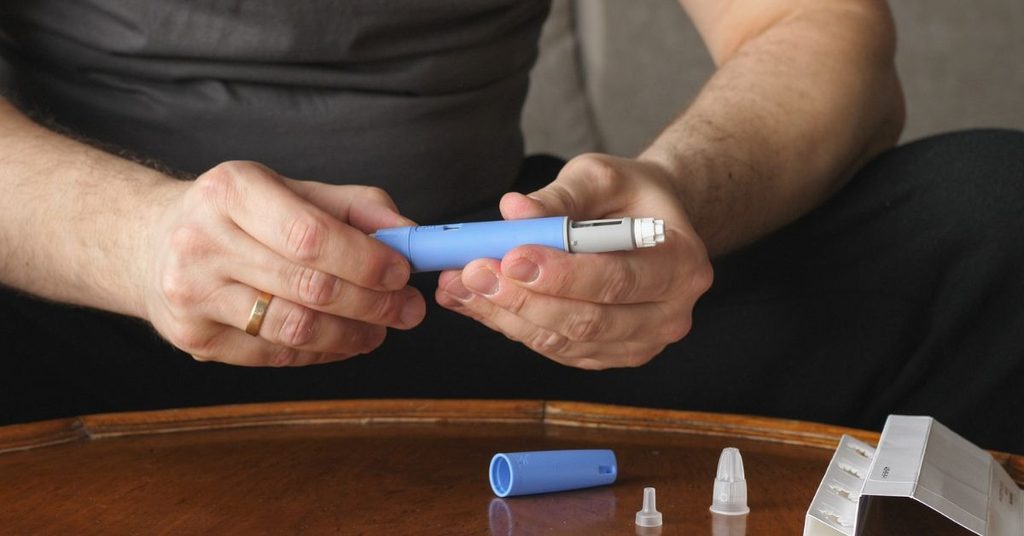
How Semaglutide Can Support Long-Term Weight Management
Semaglutide belongs to a class of medications called GLP-1 receptor agonists. It works on pathways involved in appetite regulation and can help some people feel fuller after eating. This may make it easier to reduce food intake and follow a reduced-calorie eating plan.
The effects of treatment generally develop over time. Semaglutide is introduced gradually, and the dose may be increased according to the prescribed schedule. This gives the body time to adjust while allowing the healthcare provider to monitor how well the medication is tolerated.
For long-term weight management, the objective is not simply to lose weight quickly. Maintaining a healthier weight over time can be an equally important part of treatment. For people who respond well to semaglutide, continued treatment may help support both weight reduction and maintenance.
What Long-Term Research Shows
Clinical research has examined semaglutide over extended periods, providing useful information about its potential role in long-term weight management.
A two-year clinical trial involving adults with obesity or overweight plus a weight-related health condition found that participants receiving once-weekly semaglutide 2.4 mg had an average weight reduction of 15.2% after 104 weeks, compared with 2.6% with placebo. More than three-quarters of participants receiving semaglutide achieved at least 5% weight loss.
These findings are significant because they show that weight reduction can be maintained over a longer period when treatment continues. The research also found improvements in measures such as waist circumference and systolic blood pressure.
However, clinical trial averages do not predict exactly what will happen to an individual patient. Some people may lose more weight, while others may experience a smaller response. Tolerability, health conditions, lifestyle habits, and other factors can influence results.
Why Maintaining Weight Loss Can Be Difficult
Reaching a weight-loss goal does not necessarily mean the body will automatically maintain that new weight. Many people experience increased hunger or other biological changes after losing weight, which can make long-term maintenance challenging.
This is one reason weight management may require an ongoing strategy. Medication can be one part of that strategy, while nutrition, physical activity, sleep, and other healthy habits can provide additional support.
Long-term treatment should therefore focus on more than the number shown on the scale. A healthcare provider may also consider appetite control, waist measurements, health conditions, activity levels, and other measures when evaluating progress.
What Can Happen After Stopping Semaglutide
One important consideration is what happens when treatment is discontinued. Research has found that some people regain a substantial portion of the weight they previously lost after stopping semaglutide.
In a one-year follow-up after semaglutide treatment was withdrawn, participants regained an average of 11.6 percentage points of their previous weight loss. They still had a net average weight reduction of 5.6% from their original starting point, but much of the earlier loss had returned.
These results do not mean that everyone will regain the same amount of weight after stopping treatment. Individual experiences can be different. They do show why long-term planning is important and why stopping medication should be discussed with a healthcare provider.
A recent systematic review of GLP-1 receptor agonist studies also found that weight commonly rebounds after treatment is stopped, reinforcing the importance of individualized maintenance plans.
Semaglutide Works Best as Part of a Broader Plan
Medication alone does not create a complete long-term weight-management strategy. Healthy eating and regular physical activity remain important parts of care.
As appetite decreases, some people may naturally eat smaller portions. This makes it useful to focus on foods that provide important nutrients rather than simply reducing food intake as much as possible. Adequate protein, fiber, vitamins, minerals, and fluids can all be important parts of a balanced eating pattern.
Physical activity can also support long-term health. Walking, strength training, aerobic exercise, and other activities can help improve fitness and support healthy body composition. The appropriate activity level depends on an individual’s health and physical abilities.
FitRx incorporates lifestyle support into its virtual weight-management approach. Eligible patients can receive guidance related to nutrition and physical activity while working with licensed providers, helping connect medication treatment with sustainable daily habits.
How Long Can You Take Semaglutide
There is no single treatment duration that applies to every person using semaglutide for weight management. The appropriate length of treatment depends on the individual’s response, medical history, side effects, treatment goals, and healthcare provider’s assessment.
Long-term research has demonstrated sustained weight reduction over 104 weeks of continued semaglutide treatment. This supports the use of semaglutide as a longer-term treatment option for eligible patients rather than viewing it only as a short-term weight-loss aid.
Continued treatment should still involve regular medical supervision. A provider can review changes in weight, appetite, side effects, medications, and overall health to determine whether the current plan remains appropriate.
FitRx can support this ongoing process by providing eligible patients with virtual access to licensed healthcare providers and continued communication throughout treatment.
The Importance of Regular Monitoring
Long-term use does not mean taking semaglutide without medical follow-up. Healthcare providers may monitor how well the medication is working, whether side effects are manageable, and whether the patient’s overall health has changed.
Digestive symptoms such as nausea, diarrhea, vomiting, constipation, and abdominal discomfort can occur with semaglutide. More serious health concerns are also possible, so persistent or severe symptoms should be discussed with a healthcare provider.
Regular follow-up also gives patients an opportunity to discuss changes in appetite, eating habits, physical activity, weight progress, or other medications. If treatment needs to be adjusted, the provider can make that decision based on the patient’s current situation.
Can Semaglutide Help Maintain Weight Loss
The available evidence suggests that semaglutide can help maintain weight reduction while treatment continues. In the two-year clinical trial, participants receiving semaglutide maintained an average weight reduction of about 15% through 104 weeks.
The results after treatment withdrawal provide another important part of the picture. When semaglutide was stopped, a significant amount of previously lost weight returned during the following year.
This does not mean that medication must continue forever for every patient. Instead, it highlights the importance of creating an individualized maintenance strategy. Some people may benefit from continued medication, while others may eventually pursue a different approach under medical supervision.
Building Habits That Support Long-Term Results
Sustainable habits can make a significant difference when the goal is to maintain weight over time. Extreme diets or short-term restrictions may be difficult to maintain, while realistic changes can become part of everyday life.
Meals can focus on nutrient-dense foods and appropriate portions. Regular physical activity can be adapted to individual fitness levels. Sleep and stress management may also support healthier eating patterns and overall well-being.
The purpose of these habits is not to replace medication when medication is medically appropriate. Instead, they can complement treatment and provide additional support for maintaining progress.
FitRx combines medical care with lifestyle guidance, giving eligible patients access to provider support and coaching while they work toward their individual goals.
When to Discuss Your Treatment Plan With a Provider
Anyone considering long-term semaglutide treatment should discuss their goals and medical history with a qualified healthcare provider. The provider can determine whether treatment is appropriate and consider factors that could affect safety or effectiveness.
It is also important to report significant side effects or changes in health. Patients should not independently increase, decrease, combine, or discontinue prescription medication.
FitRx can provide an online starting point for eligible patients interested in medically guided weight management. Its licensed provider network can evaluate individual circumstances and determine whether a treatment plan involving semaglutide is appropriate.
What Long-Term Success Can Look Like
Long-term success does not necessarily mean reaching a specific number on the scale and never changing again. Weight naturally fluctuates, and health goals can evolve over time.
A more useful approach can involve looking at overall progress, including sustained weight reduction, healthier eating patterns, regular physical activity, improved appetite control, and better management of weight-related health risks.
For some people, continued semaglutide treatment may be an important part of maintaining that progress. For others, a provider may eventually recommend changes based on their response and circumstances. The most appropriate approach is individualized rather than based on a fixed timeline.
Final Thoughts
Semaglutide can play an important role in long-term weight management for eligible patients. Research lasting two years has shown that continued treatment can produce substantial and sustained weight reduction when combined with lifestyle intervention.
At the same time, research following people after treatment withdrawal shows that some weight regain is common after stopping semaglutide. This is why long-term weight management should involve an individualized plan rather than focusing only on the initial period of weight loss.
FitRx helps eligible patients access virtual care through licensed healthcare providers, with treatment plans that may include medication, nutrition guidance, coaching, and ongoing support. For someone considering semaglutide, working with a qualified provider can help determine whether it is appropriate, how long treatment may continue, and what strategies can support lasting weight-management results.
