
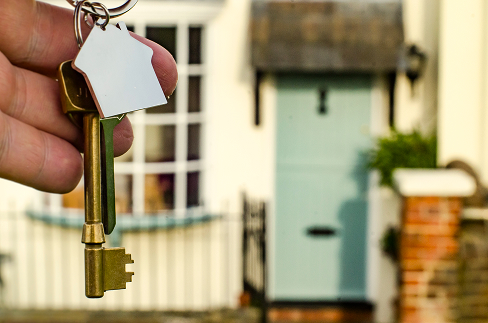
A single ignored roof leak can quietly become a $15,000 structural repair. That’s not a worst-case scenario it’s the kind of thing that happens to landlords who treat maintenance as an afterthought rather than a core part of their investment strategy.
Rental property ownership comes with real financial upside, but it also comes with a maintenance obligation that never stops. The landlords who protect their returns aren’t necessarily the ones who spend the most they’re the ones who maintain consistently, respond quickly, and build systems that catch problems before they escalate.
This guide breaks down what effective property maintenance actually looks like, why it matters more than most investors realize, and how to structure an approach that works whether you own one unit or thirty.
Why Property Maintenance Is a Financial Decision, Not Just a Logistical One
Most landlords understand that maintenance is part of the job. Fewer think about it as a lever that directly affects net income.
Consider the numbers. According to industry benchmarks widely cited by real estate investment educators, landlords should budget between 1% and 2% of a property’s value annually for maintenance. A property worth $150,000 means setting aside $1,500 to $3,000 each year. That figure sounds manageable until deferred maintenance compounds it into something much larger.
The financial case for consistent maintenance comes down to three things:
- Tenant retention. Tenants who experience fast, reliable maintenance responses stay longer. Longer tenancies reduce vacancy, turnover costs, and re-leasing expenses.
- Property value preservation. A well-maintained property holds its value. One that’s been neglected loses it quickly, both on the rental market and in appraisals.
- Avoidance of emergency repair premiums. Emergency contractors charge significantly more than scheduled ones. Routine upkeep means fewer 2 a.m. calls and fewer premium rates.
Maintenance is not a cost to minimize it’s an investment to optimize.
The Difference Between Reactive and Preventive Maintenance
There are two modes most landlords operate in, and they produce very different outcomes.
Reactive maintenance means fixing things after they break. The HVAC goes out in July, the water heater fails in February, the fence collapses after a storm. You respond, you spend, you move on. This approach is exhausting and expensive because every problem arrives as a surprise.
Preventive maintenance means inspecting, servicing, and replacing components before they fail. Annual HVAC servicing, gutter cleaning before the rainy season, caulking checks around windows and doors none of these are glamorous, but they stop the $200 problem from becoming the $2,000 one.
A practical preventive schedule for most residential rentals includes:
- Annual HVAC service — filter changes, system checks, refrigerant levels
- Gutter cleaning — at least twice yearly in areas with seasonal foliage
- Roof inspection — after major storms and as part of an annual walkthrough
- Plumbing checks — water pressure, supply lines under sinks, toilet flappers
- Smoke and carbon monoxide detector testing — quarterly, not just at lease turnover
- Exterior inspection — foundation, siding, grading, drainage
The goal is not perfection it’s consistency. A property that gets regular attention develops fewer emergencies.
How Tenant Communication Shapes Maintenance Outcomes
Maintenance doesn’t happen in a vacuum. How landlords and property managers communicate with tenants around maintenance issues directly affects how quickly problems get reported and resolved.
Tenants who feel ignored or dismissed tend to do one of two things: they stop reporting issues entirely (letting problems worsen), or they escalate complaints into disputes. Neither outcome serves the landlord.
The fix is simpler than most expect. Set clear expectations from day one:
- Explain how to submit maintenance requests (phone, portal, email pick one and stick to it)
- Provide realistic timelines for routine versus urgent repairs
- Follow up after every completed repair to confirm satisfaction
This kind of communication loop costs almost nothing but builds substantial goodwill. Tenants who feel heard are tenants who renew leases.
For investors managing properties from out of state, this is where professional management becomes particularly valuable. A local team that handles tenant communication, dispatches vendors promptly, and documents every interaction removes one of the biggest stress points of remote ownership. Operators like Advantage Property Management have spent decades building those systems and vendor relationships, which is why response times and tenant satisfaction tend to be measurably stronger under professional oversight than self-management.
Section 8 Properties and Maintenance Compliance
Landlords participating in the Housing Choice Voucher program face maintenance requirements that go beyond standard habitability. HUD’s Housing Quality Standards (HQS) are detailed and non-negotiable a property that fails an inspection can have its HAP contract suspended, cutting off rental income immediately.
Common HQS failure points include:
- Inoperable smoke detectors
- Peeling paint (especially critical in properties built before 1978 due to lead paint regulations)
- Non-functioning heating systems
- Damaged flooring or broken windows
- Missing or inadequate exterior handrails
For Section 8 landlords, preventive maintenance isn’t just good practice it’s a compliance requirement. Properties should be inspected against HQS standards before every scheduled HUD inspection, not after a failure notice arrives.
Many landlords avoid the voucher program because of the perceived complexity. The reality is that compliant, well-maintained properties pass HQS inspections without much difficulty. The challenge comes when maintenance has been deferred and the inspection reveals a backlog of issues.
BRRRR Strategy Investors: Maintenance Starts at Rehab
For investors using the BRRRR strategy (Buy, Rehab, Rent, Refinance, Repeat), property maintenance considerations begin before the first tenant moves in. The quality of the rehab directly determines the maintenance burden over the first several years of ownership.
A poorly executed renovation that uses substandard materials or skips foundational repairs will generate a steady stream of callbacks, warranty issues, and tenant complaints. This erodes the returns that made the deal attractive in the first place.
Investors in this space benefit from working with operators who understand both sides of the equation: the renovation standards that produce durable, low-maintenance properties, and the ongoing management systems that keep them performing. Integrated property maintenance and renovation support, handled through the same firm, creates continuity between the rehab phase and the rental phase and that continuity shows up in long-term maintenance costs.
Building a Vendor Network You Can Actually Rely On
For self-managing landlords, the quality of your vendor relationships may be the single biggest factor in how well your maintenance program runs. A reliable plumber who picks up the phone and charges fair rates is worth more than any property management software.
Building that network takes time, but the approach is straightforward:
- Start with referrals from other local landlords or real estate investor groups
- Vet vendors before you need them urgently a minor repair is a good low-stakes trial
- Build relationships with vendors who specialize in rental properties (they understand the tenant dynamic and the urgency)
- Keep a backup option for every trade a primary plumber and a secondary one, a primary electrician and an alternative
For out-of-state investors, building this network remotely is genuinely difficult. That’s one of the core arguments for professional management in markets like Memphis, where local operator relationships with vendors translate directly into faster service and better pricing.
Key Takeaways
- Preventive maintenance consistently costs less than reactive repairs build a scheduled inspection and servicing routine for every property.
- Tenant communication around maintenance is not a soft skill, it’s a retention tool. Fast responses and clear follow-up reduce turnover.
- Section 8 landlords should treat HUD Housing Quality Standards as a maintenance checklist, not a surprise inspection event.
- BRRRR investors carry their rehab quality into their maintenance costs a thorough renovation reduces the long-term service burden.
- A reliable local vendor network is one of the most valuable assets a landlord can build, and professional managers bring that network ready-made.
Frequently Asked Questions
How much should I budget annually for property maintenance? A commonly used rule of thumb is 1% to 2% of the property’s current value per year. Older properties and those in climates with extreme seasonal variation may land closer to the higher end. These figures cover routine upkeep and minor repairs but should be supplemented by a separate reserve for larger capital expenses like roof replacement or HVAC systems.
What maintenance responsibilities do landlords have by law? Most states require landlords to maintain rental properties in habitable condition, which generally means functional heating, plumbing, electrical systems, and structural integrity. Specific requirements vary by state and municipality. Tennessee, for example, follows the Uniform Residential Landlord and Tenant Act in most jurisdictions, which outlines explicit landlord obligations. It is worth reviewing your local statutes or consulting a real estate attorney.
How do I handle maintenance when I live out of state? The most reliable approach is working with a local property management company that has its own maintenance coordination infrastructure. Trying to manage vendors remotely without local oversight leads to slower response times, missed repairs, and frustrated tenants. A professional management team with an established vendor network handles dispatch, follow-up, and documentation on your behalf.
What are the most common maintenance issues in rental properties? Plumbing leaks, HVAC failures, appliance breakdowns, and roof issues are the most frequently reported categories. Many of these are preventable with routine service. Tenant-caused damage, such as clogged drains or damaged fixtures, is a separate category that is typically addressed through the security deposit process and documented during move-out inspections.
Should I use a property management portal for maintenance requests? Yes, if you are managing more than a handful of units or if you want a clean record of every request and resolution. Platforms like AppFolio allow tenants to submit requests online, allow managers to assign and track work orders, and give owners a documented history of maintenance activity. That documentation matters during tenant disputes and at tax time.
Conclusion
Property maintenance is not the most exciting part of real estate investment, but it is one of the most consequential. The landlords who build consistent maintenance systems, communicate clearly with tenants, and respond quickly to repair requests protect their assets in ways that directly show up in their returns.
The approach does not have to be complicated. A preventive schedule, a reliable vendor network, and a clear communication process with tenants are enough to keep most properties performing well for years. Investors who are scaling up or managing remotely benefit from layering professional management on top of that foundation, bringing local expertise and operational infrastructure into the picture.
The goal is a property that runs smoothly, holds its value, and keeps good tenants. Maintenance is how you get there.
