
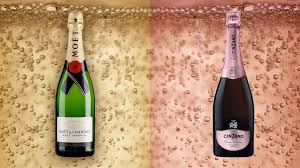
Sparkling wines have long been linked to parties, holidays, and happy get-togethers. People love them for toasts, parties, and special meals because they have lively bubbles and a refreshing taste. Around the world, there are a lot of different kinds of sparkling wines, but two styles tend to stand out because they are so famous and well known.
Both of these sparkling wines are different to drink because of how they were made, the grapes used, and the customs of the regions where they come from. At first glance, they may look a lot alike, but each style has its own personality thanks to small changes in taste, texture, and origin.
If you like wine, knowing how these sparkling wines are different can help you appreciate what goes into each bottle more. When choosing sparkling wines for different events, wine lovers can make smart decisions by learning about their sources, alcohol levels, and how to store them.
The Origins of Sparkling Wine Traditions
Europe has a long history of making sparkling wines. There, brewers came up with many different ways to add carbonation to wine. Over time, different areas improved the ways they made wine, which led to the creation of unique styles that are a reflection of the grapes and customs that were grown there.
A famous sparkling wine comes from a part of France known for its strict rules on production and use of old-fashioned methods. A different popular sparkling wine comes from Italy, where winemakers focus on lighter styles and fresh, fruity flavors.
These area differences affect everything about the wine, from how it smells and tastes to how much it costs and how it’s presented. Understanding the differences between these two styles of sparkling wine can help wine lovers figure out what makes each one unique.
Understanding Champagne vs Prosecco
A lot of people start their search for new sparkling wines by comparing Champagne vs Prosecco to find out what makes each one unique. Both wines have bubbles and are often served at parties, but they are made in very different ways and have very different tastes.
In the usual way of making champagne, the second fermentation takes place inside the bottle. This method makes tiny bubbles that stay in the drink for a long time. It also often leads to complicated flavors like toasted bread, almond, or citrus notes.
A tank fermentation method is usually used to make prosecco, on the other hand. In this method, the second fermentation takes place in big tanks made of stainless steel instead of in individual bottles. This method keeps the smells of fresh fruit and makes a lighter, easier-to-drink style of sparkling wine.
These changes in how the drinks are made help give each one its own unique flavor. Champagne is known for its depth and complexity, while prosecco is liked for its bright fruit tastes and refreshing simplicity.
Flavor Profiles and Drinking Experience
Champagne and prosecco are made in different ways, and they also taste and feel different. Many people say that champagne is crisp and well-structured, with the right amount of acidity and slight complexity that comes from aging.
Most of the time, Prosecco has a lighter body and tastes like apple, pear, peach, or flowers. When compared to champagne, the bubbles in prosecco tend to be softer and not last as long.
Because of these differences, each sparkling wine is good for a different event. Champagne is often served at formal events and to mark important occasions, while prosecco is more commonly drunk at social events or casual get-togethers.
Knowing the differences between these flavors can help wine lovers choose the style that goes best with their tastes or the mood of an event.
ABV: A Comparison of Their Alcohol Content
Alcohol level is another thing that people often think about when they are comparing sparkling wines. ABV can help people understand how the two drinks are different.
Typically champagne abv ranging from 12% to 12.5%. This amount helps keep the structure balanced and gives it a slightly fuller mouthfeel.
The ABV range for prosecco is generally a little lower, between 10.5% and 11.5%. This drink may feel more refreshing and be easier to enjoy in less formal situations because it has less alcohol in it.
The change in ABV may not seem like much, but it can have a big effect on how the drink tastes. A champagne may feel a little fuller and more structured, while a prosecco may feel lighter and easier to drink.
Storage Considerations
Sparkling wines, like all wines, need to be stored correctly to keep their quality. A lot of wine lovers want to know about storage, especially when bottles are kept for special events.
One common question about champagne is ‘does champagne go bad?’ If you store champagne the right way, in a cool, dark place with steady temperatures, it will stay good for a few years. To keep the cork from drying out, bottles should be stored upright.
But not all champagne is meant to be aged for a long time. Most of the time, you should drink non-vintage bottles within a few years of buying them. On the other hand, vintage wines may get more complex over time.
Generally, you should drink prosecco as soon as possible. People usually say that you should drink prosecco within a year or two of when it was made because it tastes best with fresh fruit.
Both fizzy wines slowly lose their fizz after being opened. Using the right bottle stoppers and keeping them in the fridge can help keep their bubbles for a short time, but they’re usually best when enjoyed right away after being opened.
Serving Sparkling Wines for Different Occasions
Both champagne and prosecco can make a party better, but their tastes and textures often work better for certain types of events. Champagne is a popular choice for weddings, anniversaries, and other special events because of its elegant style and complex flavors.
But because prosecco is easy to drink, it’s great for casual get-togethers, brunches, and other social events where a lighter sparkling wine would be more suitable.
Each wine goes with different kinds of food because of these differences. Champagne goes well with a lot of different foods because it is complicated and acidic, while prosecco goes well with lighter meals, appetizers, and desserts because it tastes like fruit.
When wine lovers know how each sparkling wine goes with different situations, they can pick the one that makes the moment better.
Why Sparkling Wine Comparisons Matter
When wine lovers learn about the differences between sparkling wines, they can enjoy the variety in the group. Even though champagne and prosecco look a lot alike, their production methods, regional customs, and flavor profiles make them very different.
When choosing sparkling wines, people can feel more sure if they know how to compare wines like champagne and prosecco, as well as how to figure out the alcohol by volume (ABV) differences between the two.
When people know this, they can match wine styles to their own tastes, meals, and the mood of different events.
Last Thoughts
Many events are made more fun and fancy with sparkling wines, and both champagne and prosecco have their own special attraction. Two unique styles that suit a wide range of tastes thanks to their different production methods, alcohol levels, and flavor profiles.
It’s possible for wine lovers to develop a greater appreciation for these popular sparkling wines by learning about things like champagne vs. prosecco, abv, and storage.
As long as they are worn for a formal event or a casual get-together, both styles are important for bringing people together and making special times sparkle.
