
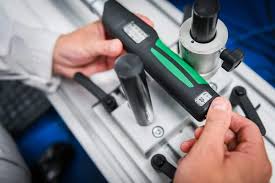
Torque wrenches play a pivotal role in manufacturing, aerospace assembly, automotive repair, medical device production, and high-reliability fastening applications. Over time, mechanical components wear, lubrication breaks down, and springs lose tension—all of which cause torque values to drift outside acceptable limits. When professionals search for where to get a torque wrench calibrated, the answer must balance accuracy, accreditation, turnaround time, and service traceability.
Why Torque Wrench Calibration Cannot Be Overlooked
Torque application is a process where precision matters. Under-torquing risks joint loosening and premature failure, while over-torquing can stretch fasteners beyond yield, damage threads, or compromise structural integrity. Even a small deviation makes torque measurement unreliable, especially in regulated environments.
Routine calibration, ideally performed every 6–12 months depending on usage, verifies that the wrench delivers force consistent with manufacturer and industry specifications. A qualified calibration lab ensures the instrument aligns with ASME, ISO 6789, and ANSI/NCSL Z540 requirements.
SIMCO offers accredited torque calibration designed for industries requiring high-precision results. Their work supports consistent tool performance and regulatory compliance; explore torque calibration services to evaluate accredited capabilities.
What Makes a Calibration Provider Qualified?
Not all calibration sources provide the same level of accuracy or documentation. When determining where to get a torque wrench calibrated, organizations should evaluate:
1. Accreditation
An ISO/IEC 17025-accredited laboratory demonstrates technical competency, documented uncertainty calculations, and traceable calibration results. Accreditation ensures the provider follows recognized calibration methods and maintains controlled environments.
2. Equipment and Reference Standards
High-accuracy torque transducers, torque analyzers, and load cells must be maintained at metrological standards. The calibration equipment must exceed the accuracy of the wrench being tested.
3. Technician Expertise
Torque calibration involves understanding mechanical hysteresis, break-away force, and tool-specific tolerances. Technicians must also identify mechanical damage and evaluate whether a tool requires repair before calibration.
4. Documentation Quality
A complete calibration certificate should include:
● As-found and as-left torque values
● Environmental conditions
● Measurement uncertainty
● Traceability to national standards
This documentation is essential for audits and quality inspections.
How Torque Wrench Calibration Is Performed
Professional calibration typically involves the following steps:
Inspection and Break-In
Technicians inspect the wrench for wear, ratchet issues, broken components, and lubrication breakdown. A break-in cycle eliminates mechanical sticking that would otherwise distort readings.
Testing at Multiple Points
Torque wrenches are tested at several points along their range—commonly 20%, 60%, and 100% of full scale. The calibration system records actual torque delivered versus the reading on the wrench.
Adjustments
Mechanical torque wrenches may require internal spring adjustment. Electronic wrenches may require firmware or sensor recalibration.
Final Verification
Post-adjustment verification ensures the wrench meets required tolerances before certification is issued.
Choosing SIMCO for Torque Wrench Calibration
SIMCO delivers torque calibration using controlled methodology, precision reference transducers, and consistent documentation. Their systems help organizations maintain tool accuracy, reduce variability, and ensure audit readiness. Learn more by reviewing SIMCO’s company background and quality approach.
For professionals determining where to get a torque wrench calibrated, choosing an accredited provider like SIMCO ensures accuracy, reliability, and long-term consistency in fastening applications.
