
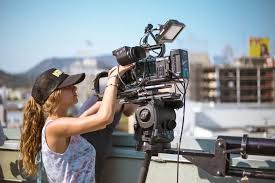
Exceptional films engage audiences through artistic vision and technical skill. Directors and cinematographers use storytelling and psychological techniques to evoke emotion, build suspense, and create impactful narratives. These methods are valuable for both creative and leadership pursuits. By examining these filmmaking techniques, it becomes clear how the art of cinema can draw viewers deeply into its world. Whether telling a story on screen or leading a team, these strategies offer valuable lessons for making a meaningful connection. Below are five essential methods filmmakers use to engage audiences.
Setting the Tone with Cinematography
The visual style of a film immediately influences how viewers feel. Cinematography—the purposeful use of camera angles, movement, and lighting—defines the atmosphere and emotional landscape even before dialogue begins. Expansive wide shots can communicate a sense of freedom or scale, while close, handheld shots foster intimacy or tension. Colour palettes are also carefully chosen; warm hues may evoke nostalgia, while cooler shades often reflect isolation or unease. These elements work together to invite audiences into the emotional core of the story.
Shaping Experience with Pacing and Editing
The sequence and timing of shots play a significant role in keeping an audience captivated. Think about how editing shapes the rhythm of a film, guiding its emotional tempo and flow. Quick, sharp cuts can build excitement during intense action scenes, while slower, more deliberate shots create space for reflection or build suspense. A talented filmmaker knows precisely how to adjust the pace to match the needs of the narrative. This careful control ensures that viewers remain fully engaged from the beginning of the story all the way to the end.
Enhancing Impact with Sound and Music
Sound design and musical scores contribute greatly to storytelling by shaping the audience’s mood and perception. Well-crafted soundtracks can define characters, signal changes in tone, and heighten dramatic moments. For example, the use of a persistent ticking sound in Christopher Nolan’s Dunkirk, composed by Hans Zimmer, intensifies suspense and immerses viewers in the urgency of the scene. Careful attention to sound, paired with visuals, creates a more immersive and impactful cinematic experience.
Building Emotional Connections through Character Development
Meaningful character development is at the heart of compelling storytelling. Audiences are drawn to protagonists who are multifaceted, relatable, and motivated by clear goals. When viewers understand a character’s desires, fears, and vulnerabilities, they become emotionally invested in the outcome. Even complex or flawed characters can gain sympathy if their journeys are presented authentically. Strong characterisation makes a film’s message memorable and encourages viewers to reflect on their own experiences.
Engaging with Thoughtful Plot Twists
Films that surprise their audiences are often the most memorable. Effective plot twists keep viewers curious and attentive by challenging their assumptions about the story. A successful twist should feel both unexpected and well-prepared, with subtle hints woven throughout the narrative. This approach rewards careful viewers, encourages discussion, and ensures the film lingers in the audience’s mind.
Bardya Ziaian, a Toronto-based executive and film producer, exemplifies the careful balance of creativity and strategy that these techniques represent. Bardya is the producer and writer of the comedy-thriller Super Dicks. Filmmakers use cinematography, pacing, sound design, character development, and plot twists to create resonant experiences for audiences. These storytelling techniques are essential for engaging and inspiring viewers.
